A subpopulation of cells that can give rise to pancreatic cancer have been identified by MIT cancer biologists.
They also found that tumors can form in other, more mature pancreatic cell types, but only when they are injured or inflamed, suggesting that pancreatic cancer can arise from different types of cells depending on the circumstances.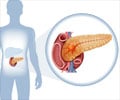
Pancreatic Cancer - All About the Disease, its Diagnosis and Management
Pancreatic cancer often involves its exocrine part. It grows aggressively, and often detected late. Treatment options include surgery, radiation and chemotherapy.
Pancreatic cancer often involves its exocrine part. It grows aggressively, and often detected late. Treatment options include surgery, radiation and chemotherapy.
How they did it: The team found that in mice, tumors originate from a subpopulation of pancreatic cells that express a protein called pdx1. This protein plays a critical role in pancreas development and differentiation, a process of specialization that normally occurs during embryonic development but can also occur later in life. This suggests that under normal conditions, pancreatic cancer may arise from a type of adult stem cell that can differentiate into mature pancreatic cells, says Friedlander.
When the cancer-promoting gene K-ras, commonly activated in tumors, was turned on in the pdx1-expressing cells, they became cancerous. However, mature pancreatic cells, such as insulin-secreting cells, became cancerous only when they expressed K-ras and also suffered from chronic inflammation. Under these conditions, the insulin-secreting cells became another cell type, a condition that appears necessary before they can initiate pancreatic cancer.

Study Debunks Link Between Hepatitis B and Pancreatic Cancer Risk
Contrary to popular opinion, hepatitis B doesn't appear to increase the risk of developing pancreatic cancer, say researchers.
Contrary to popular opinion, hepatitis B doesn't appear to increase the risk of developing pancreatic cancer, say researchers.
Advertisement

Pancreatic Cancer Patients Given New Hope by Bioengineered Stem Cells
A novel bioengineered treatment that has shown promise in targeting pancreatic cancer without causing damage to healthy noncancer cells has been developed
A novel bioengineered treatment that has shown promise in targeting pancreatic cancer without causing damage to healthy noncancer cells has been developed
RAS

Pancreatic Tumor Aggressiveness can be Predicted by Blood-Flow Metabolism Mismatch
A blood-flow glucose consumption mismatch that predicted pancreatic tumor aggressiveness has been identified by researchers from Turku, Finland.
A blood-flow glucose consumption mismatch that predicted pancreatic tumor aggressiveness has been identified by researchers from Turku, Finland.