
Breast Cancer - Causes, Risks, Symptoms, Diagnosis, Staging, Treatment, Prevention & Prognosis
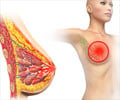
Breast cancer is a cancer that affects the breasts or mammary glands. Early detection and lifestyle changes help in controlling breast cancer.
Breast cancer is a cancer that affects the breasts or mammary glands. Early detection and lifestyle changes help in controlling breast cancer.
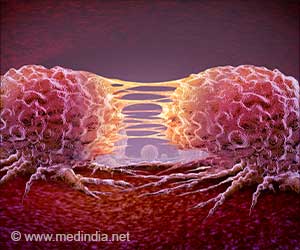
"In breast cancer, it has been proposed that different tumor subtypes may originate from different stem and intermediate cells, with more aggressive 'basal-like' breast cancers originating from basal stem cells and less aggressive breast cancers from the luminal intermediates," explains senior study author, Dr. Matthew J. Smalley from The Breakthrough Breast Cancer Research Centre at the Institute of Cancer Research in London. "Strikingly, the vast majority of breast tumors with mutations in BRCA1, a breast cancer susceptibility gene, have basal-like characteristics, suggesting a stem cell origin."
More recently, however, it was demonstrated that increases in abnormal luminal intermediate cells are associated with BRCA1 mutations and that there are similarities between the genes switched on in normal human luminal intermediate cells and basal-like breast cancer cells. "To resolve the true origin of BRCA1 breast cancer, we designed the first direct comparison of the effects of creating identical BRCA1-associated tumor predisposing events in basal stem versus luminal intermediate cells," says Dr. Smalley.

About Cancer in Women
Cancer is one of the frequently talked about and most feared disease that falls under the genre of lifestyle diseases that have evolved, rather rapidly, in the past two decades.
Cancer is one of the frequently talked about and most feared disease that falls under the genre of lifestyle diseases that have evolved, rather rapidly, in the past two decades.
Taken together, these findings suggest that the majority of so-called basal-like breast cancers are derived from luminal intermediate cells and not from basal stem cells as was originally expected. "Our results highlight luminal intermediate cells as a key to understanding the origins of basal-like breast cancer," concludes Dr. Smalley. "This has important implications for treatment and prevention strategies for this aggressive disease."
Advertisement
Breast Lumps
Most breast lumps are caused by hormonal changes in a woman and may not be cancerous. Common causes of breast lumps include fibroadenosis, breast cancer, breast cyst.
Most breast lumps are caused by hormonal changes in a woman and may not be cancerous. Common causes of breast lumps include fibroadenosis, breast cancer, breast cyst.
Source-Eurekalert

Breast Lumps Screening
Breast lumps must never be neglected but instead be subjected to medical examination to rule out cancer.
Breast lumps must never be neglected but instead be subjected to medical examination to rule out cancer.