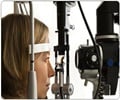
A drug commonly prescribed to treat high blood pressure, could slow the progression of eye damage in people with type 1 diabetes, a new study has said.
By administering an antihypertensive, University of Minnesota Medical School researcher Michael Mauer, M.D. and colleagues were able to slow progression of diabetic eye damage in more than 65 percent of participants involved in the study.
Diabetes Essentials: Types, Complications, Management & Treatment
Diabetes is a metabolic disease caused by insulin deficiency that leads to high blood sugar levels and several associated complications if left untreated.
Diabetes is a metabolic disease caused by insulin deficiency that leads to high blood sugar levels and several associated complications if left untreated.
Mauer's study demonstrated that participants who were administered either enalapril or losartan experienced a significant slowing of the progression of diabetic eye injury, by 65 and 70 percent, respectively.
"The secondary results of this study showed that people taking these antihypertensive medications experienced a substantially positive effect in slowing diabetic eye injury," said Mauer.
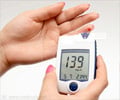
Diabetes Type 1, Type 2 - Causes Symptoms Diagnosis and Treatment FAQs
A comprehensive article on diabetes - both Type 1 and Type 2 diabetes, including : causes, signs, symptoms, diagnosis, treatment, facts and a glossary on diabetes.
A comprehensive article on diabetes - both Type 1 and Type 2 diabetes, including : causes, signs, symptoms, diagnosis, treatment, facts and a glossary on diabetes.
Source-ANI
RAS

Diabetic Diet - Diabetes Mellitus
The diabetic diet most often recommended is high in dietary fiber (especially soluble fiber) and nutrients, but low in fat (especially saturated fat) and moderate in calories.
The diabetic diet most often recommended is high in dietary fiber (especially soluble fiber) and nutrients, but low in fat (especially saturated fat) and moderate in calories.

Gestational Diabetes About
The condition is not caused by a lack of insulin, but by the action of hormones produced during pregnancy that blocks the action of insulin.
The condition is not caused by a lack of insulin, but by the action of hormones produced during pregnancy that blocks the action of insulin.