Kefir, one of the world's oldest "health" drinks, did little to prevent diarrhea in young children being treated with antibiotics, say researchers at Georgetown University Medical Center (GUMC), who tested the drink in a unique and rigorous double-blind clinical trial.
While the study results, published in the August issue of Archives of Pediatrics and Adolescent Medicine, are negative, investigators say there are intriguing hints that the drink, which is rich in probiotics – live bacteria - appeared to help the children in the study who were the least healthy.
Diarrhea in Children - Introduction
Diarrhea disease in children is a common clinical illness in practice. It is a leading cause of morbidity and mortality among children in developing countries.
Diarrhea disease in children is a common clinical illness in practice. It is a leading cause of morbidity and mortality among children in developing countries.
A number of studies have shown that probiotics can help prevent and treat diarrhea, even in people using antibiotics but this has often been shown in very different settings than is typical in the United States, Merenstein says. Children are especially susceptible to this problem, he says - about 20-30 percent of kids using antibiotics will develop diarrhea from the antibiotic, and this often results in them stopping the antibiotic or additional doctor visits.
Many of these previous studies, however, were not "double-blinded" – that is, compared with a placebo drink that resembled kefir."This study didn't prove the benefit of kefir in these children– not all probiotics work the same - but the results also suggest that kefir may work best in younger, sicker children," Merenstein says. "More studies with this particular group of children are warranted."

National Institute Of Immunology Is Developing Anti- Diarrhea Vaccine
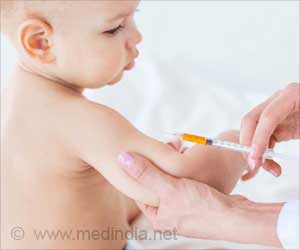
The National Institute of Immunology (NII), New Delhi is in a process of developing a vaccine to safeguard children from diarrhea caused from rotavirus.
The National Institute of Immunology (NII), New Delhi is in a process of developing a vaccine to safeguard children from diarrhea caused from rotavirus.
Previous studies lacked the rigor needed to be conclusive, so Merenstein designed a clinical trial in which 125 children, ages 1-5, being treated for antibiotics, were given either a kefir drink to use with their antibiotic tablet each day for ten days or a kefir drink in which the probiotics were previously destroyed by heat (placebo). Neither the study coordinators, the children, nor their parents knew which drink was given to which participant until the study ended.
Advertisement
New Study Casts Doubt On Efficacy of Zinc In Diarrhea Treatment
Zinc supplementation can be ineffective in the treatment of diarrhea. A randomised controlled trial published in the open access journal BMC Medicine has shown that
Zinc supplementation can be ineffective in the treatment of diarrhea. A randomised controlled trial published in the open access journal BMC Medicine has shown that
Researchers found that 18 percent of children in the kefir group developed diarrhea compared to 22 percent in the placebo group – which is not a statistically significant difference. However, in the children whose health was poorer at enrollment, 23 percent developed diarrhea in the kefir group, compared with 31 percent in the placebo group.
Advertisement
WHO Recommends Anti-Diarrhea Vaccine For All Children
The World Health Organization recommended Friday that all children should be given innoculated with an anti-diarrhea vaccine to counter rotavirus, which claims half a million lives every year.
The World Health Organization recommended Friday that all children should be given innoculated with an anti-diarrhea vaccine to counter rotavirus, which claims half a million lives every year.
Source-Eurekalert
SRM