Endometriosis - Causes, Symptoms, Diagnosis, Treatment
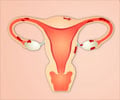
Endometriosis is a chronic painful disorder with endometrial tissue found at abnormal sites such as ovary and tubes. It causes pelvic pain and fertility issues.
Endometriosis is a chronic painful disorder with endometrial tissue found at abnormal sites such as ovary and tubes. It causes pelvic pain and fertility issues.
(1)Obesity: Obesity affects about 20% of the adult world population and 44% of postmenopausal women. Obesity is a major risk factor for many diseases including diabetes mellitus, dyslipidemia and hypertension resulting in cardiovascular disease, as well as venous thromboembolism and breast and endometrial cancer. Thus transdermal (patch, gel) HT is preferred over oral tablets because of the reduced risk of venous thromboembolism. (doi:10.1016/j.maturitas.2010.03.025)
(2)Epilepsy: Women with epilepsy may undergo the menopause 3- 5 years early and can be at increased risk of osteoporortic fracture depending on their antiepileptic drug use. If HT is used, these women need to be closely monitored by specialists. Calcium and vitamin D supplements should be considered. Herbal preparations should be avoided as their efficacy is uncertain and they may interact with anti epileptic drugs. (doi:10.1016/j.maturitas.2010.03.026)

What is Menopause?
Menopause is defined as the state of permanent cessation of menstrual cycles (periods) for 12-months.
Menopause is defined as the state of permanent cessation of menstrual cycles (periods) for 12-months.
(4)Premature ovarian failure: Premature ovarian failure (POF) is the menopause before the age of 40 which may occur naturally or after surgery or chemotherapy. Untreated, it increases the risk of osteoporosis, cardiovascular disease, dementia, Parkinsonism, and general cognitive decline. Therefore, the statement clearly recommends the use of HT until the average age of the natural menopause, i.e. the early 50s. (doi:10.1016/j.maturitas.2010.04.011)
Advertisement

Governments Should Step Up Reproductive Healthcare, Asia Pacific Conference Says
Governments in the Asia Pacific region should step up their sexual and reproductive healthcare, it was urged at the Fifth Asia Pacific Conference on Reproductive and Sexual Health and Rights.
Governments in the Asia Pacific region should step up their sexual and reproductive healthcare, it was urged at the Fifth Asia Pacific Conference on Reproductive and Sexual Health and Rights.
Source-Eurekalert

Chinese Leader Calls For Greater Investment In Reproductive Health
Senior Chinese legislator Chen Zhili has called for greater investment in reproductive health.
Senior Chinese legislator Chen Zhili has called for greater investment in reproductive health.