The Candoshi people in Peru's northern Amazon jungle are close to extinction from a hepatitis B infection that has gone unchecked since 2000, tribal leaders and health officials said.
"My people are suffering, we're in real danger of extinction," said Candoshi chief, or Apu, Venancio Ucama Simon.
Hepatitis B-Causes-Symptoms-Diagnosis-Treatment-Vaccination-FAQs
Hepatitis B is inflammation of the liver due to infection with the hepatitis B virus.
Hepatitis B is inflammation of the liver due to infection with the hepatitis B virus.
Speaking through an interpreter in Lima, Ucama accused Peru's health authorities of decades of inattention, letting hepatitis B and other diseases run unchecked, threatening to wipe out not only the Candoshi but other indigenous groups, including the Shapra, Awajun, Achuar and Huambisa.
All the ethnic groups live in Peru's remote Datem del Maranon province, in the country's north.

Hepatitis A - Causes, Symptoms, Diagnosis, Treatment
Hepatitis A is the most benign of the hepatitis viruses and usually has no long term side effects. Hepatitis A vaccine is available that is 95% effective in preventing the disease.
Hepatitis A is the most benign of the hepatitis viruses and usually has no long term side effects. Hepatitis A vaccine is available that is 95% effective in preventing the disease.
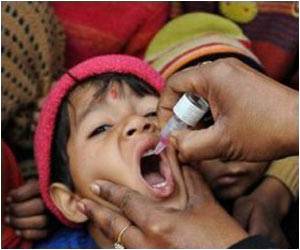
"We will guarantee permanent human and economic resources to launch a massive inoculation drive against that disease," he told reporters.
Advertisement

Hepatitis - Be Positive
Hepatitis B is a life-threatening liver disease that is mostly prevalent in Asian countries such as China and India
Hepatitis B is a life-threatening liver disease that is mostly prevalent in Asian countries such as China and India
She said the disease broke out in the 1990s, when Occidental Petroleum Corporation was granted exploration rights in her jungle region.
Advertisement

US Lawmakers Push To Step Up Hepatitis Battle
US lawmakers led by Asian Americans on Monday pushed to increase spending to fight hepatitis B and C, warning that the disease is causing a long-term burden for the costly US health care system.
US lawmakers led by Asian Americans on Monday pushed to increase spending to fight hepatitis B and C, warning that the disease is causing a long-term burden for the costly US health care system.
But she noted the lack of reliable data on how many of her people have been infected with hepatitis B. The latest statistics, in 2000, mentioned 169 cases.
"From that time to now, however, things have deteriorated badly. There have been lots of deaths apparently from hepatitis B, but it's been impossible to determine exactly how many because of lack of medical attention," the nurse said.
Ucama complained that federal and local health authorities were trading blame for the plight of the Candoshi and citing the high cost of hepatitis B treatment as a reason for the inattention.
"Does that mean that because it's very expensive they're going to let our people die out?" asked Lucana.
The Candoshi population is currently estimated to number 2,400. It has been praised for its conservationist culture, which the WWF said has helped restore Amazon wildlife around lake Rimachi.
Source-AFP
SRM