Diabetes Risk Assessment Calculator
Almost one-third of the people are unaware of the risk factors of diabetes. Find out if you run the risk of diabetes by using Diabetes Risk Assessment calculator.
Almost one-third of the people are unaware of the risk factors of diabetes. Find out if you run the risk of diabetes by using Diabetes Risk Assessment calculator.
"We know that people with diabetes have an increased incidence of mood and other psychiatric disorders. And we think that those co-morbidities might explain why some patients have trouble taking care of their diabetes," said endocrinologist Dr. Kevin Niswender.
"Something goes wrong in the brain because insulin isn't signaling the way that it normally does," said neurobiologist Dr. Aurelio Galli.

Quiz on Diabetes
Diabetes has replaced every other condition to become the fastest growing lifestyle disease, globally. This disease also impacts children. Some people are more inclined to develop diabetes than others. Do you belong to the high- risk group? Spend 5 minutes to find out.
Diabetes has replaced every other condition to become the fastest growing lifestyle disease, globally. This disease also impacts children. Some people are more inclined to develop diabetes than others. Do you belong to the high- risk group? Spend 5 minutes to find out.
Disrupted dopamine signalling has been implicated in brain disorders including depression, Parkinson's disease, schizophrenia and attention-deficit hyperactivity disorder.
Advertisement

The researchers developed mice with an insulin-signalling defect only in neurons (they impaired the function of the protein Akt, which transmits insulin's signal inside cells).
Advertisement
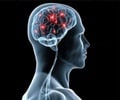
About Schizophrenia
Schizophrenia is a mental disorder characterized by symptoms of thought, behavior and social problems.
Schizophrenia is a mental disorder characterized by symptoms of thought, behavior and social problems.
They also showed how defects in insulin signalling disrupt neurotransmitter levels in the brain - the mice have reduced dopamine and elevated norepinephrine in the prefrontal cortex, an important area for cognitive processes.
These changes resulted from elevated levels of the transporter protein (NET) that removes norepinephrine and dopamine from the synaptic space between neurons.
"We believe the excess NET is sucking away all of the dopamine and converting it to norepinephrine, creating this situation of hypodopaminergia (low levels of dopamine) in the cortex," explained Galli.
Low dopamine function in the cortex is thought to contribute to the cognitive deficits and negative symptoms - depression, social withdrawal - associated with schizophrenia.
By treating the mice with NET inhibitors (drugs that block NET activity), the investigators could restore normal cortical dopamine levels and behaviours.
Clinical trials of NET inhibitors in patients with schizophrenia are already under way and these new data provide mechanistic support for this approach, said Galli.
The findings also provide a molecular basis for interpreting previous reports of Akt deficiencies in patients with schizophrenia, as revealed by post-mortem, imaging and genetic association studies.
Understanding the molecular link between insulin action and dopamine balance - the connection between food and mood - offers the potential for novel therapeutic approaches, said the researchers.
The mouse model described in the current studies may be useful for testing schizophrenia and cognition-enhancing treatments.
The study was published in PLoS Biology.
Source-ANI