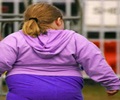
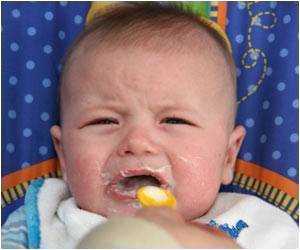
A new study has advised parents to be more responsible with the kind of food they provide their children with as this may encourage, or alternatively discourage, childhood obesity.
According to the researchers from Kansas State University, comes to childhood obesity, three types of environments-political and economic, built and natural, and socio-cultural- the food children consume in the home.
Obesity- Battling the Bulge
Obesity is a condition in which a person weighs more than he really should. It is a global phenomenon with many in the developing countries too ‘battling with the bulge’.
Obesity is a condition in which a person weighs more than he really should. It is a global phenomenon with many in the developing countries too ‘battling with the bulge’.
"So, for adults, we are driven by what is available and marketed by the food system. For children, parents are the gatekeepers of what is available at home and what out-of-home options are provided," he added.
In the political and economic environment, the study found that factors like food pricing and family socioeconomic status affect the dietary lifestyle in the home.
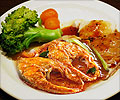
Advantages of Eating Fish Foods - Health Benefits
Researchers worldwide have discovered that eating fish regularly is good for health. Regular consumption of fish may reduce the risk of diseases such as asthma, prostate cancer and eyesight.
Researchers worldwide have discovered that eating fish regularly is good for health. Regular consumption of fish may reduce the risk of diseases such as asthma, prostate cancer and eyesight.
Healthy options like fresh fruits and vegetables and lean meats are generally more expensive than energy-dense foods made from refined grains, sugars and fats.
Advertisement
"Parents and guardians should strive to not control their children's eating and activity, but set limits," Dzewaltowski said.
Advertisement
In the built and natural environments, the researchers found that larger plates, bowls, cups and serving utensils can promote a greater consumption of food.
Rosenkranz said the healthy choice is not always the easy choice.
"There are very powerful forces at work beyond the home that can have an overwhelming influence on what a parent does to provide things for children," he said.
Rosenkranz said that with some simple changes in home, parents can prevent their child from being overweight, such as having regular family meals with fruits and vegetables and no soda, while saving junk foods for occasions like trips to the movies or restaurants.
Parents can be role models for their children and influence their attitudes about food and nutrition, Rosenkranz said.
Source-ANI
TAN/M