Lung Cancer - Types, Causes, Symptoms, Diagnosis, Treatment and Prevention
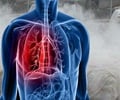
Lung cancer is a malignant tumor in the lung tissues. Smoking is the main cause of lung cancer with symptoms like recurrent respiratory diseases.
Lung cancer is a malignant tumor in the lung tissues. Smoking is the main cause of lung cancer with symptoms like recurrent respiratory diseases.
More than half of all cases of advanced NSCLC are diagnosed in patients over 65, and recent Surveillance, Epidemiology and End Results (SEER) Program data from the United States show that patients aged 70 years or older account for 47 percent of all lung cancers. Most prospective clinical data on chemotherapy and molecularly targeted therapy for elderly NSCLC patients come from studies in advanced disease. Unfortunately, by the time most patients from any age group receive a lung cancer diagnosis, the majority already have metastatic disease and a systemic, palliative treatment is their primary therapeutic option.
Cisplatin-based chemotherapy is currently recommended as the standard approach for patients with advanced NSCLC. However, to date, no prospective phase III study has explored the reproducibility of this benefit in elderly patients, the authors say. "The evaluation of cisplatin-based chemotherapy in elderly patients, in our opinion should be a priority," says one of the study authors, Cesare Gridelli.

Respiratory Diseases - Diseases of the Human Respiratory System
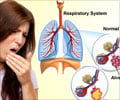
Respiratory diseases affect any part of the respiratory system. Some of the lung diseases like chronic obstructive pulmonary disease can lead to respiratory failure.
Respiratory diseases affect any part of the respiratory system. Some of the lung diseases like chronic obstructive pulmonary disease can lead to respiratory failure.
However, another targeted treatment option for the general patient population, using the monoclonal antibody bevacizumab combined with chemotherapy, may be less suitable for the elderly due to their higher likelihood of co-morbid cardiovascular illnesses.
Advertisement

Health Hazards of Smoking Cigarettes
Smoking causes many diseases and affects the overall health of smokers.
Smoking causes many diseases and affects the overall health of smokers.
Since 2000, oncologists have noticed that incidence of and death from lung cancer among women aged 50 and below has actually decreased. However, for women aged 70 and older these have increased. For men, mortality has been decreasing for all age groups except among men aged 70-74, where it has leveled off.
Advertisement
Lung Biopsy - Indications - Procedures - Risks - FAQs - Reference
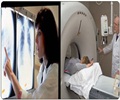
The procedure by which tissue samples are obtained from the lung is known as lung biopsy. The biopsy tissues obtained from the lungs are examined by a pathologist.
The procedure by which tissue samples are obtained from the lung is known as lung biopsy. The biopsy tissues obtained from the lungs are examined by a pathologist.
"Elderly-specific trials provide quality care in the elderly, particularly among the oldest of the old," says Gridelli. "This patient population is at risk of both empirical under treatment resulting in poor survival or excessive toxicity from standard therapy."
The authors are continuing to conduct and publish their prospective trials of a number of lung cancer treatments on elderly patients, to ensure that the data is available for oncologists to make the best choices for their oldest patients in years to come.
Source-Eurekalert
RAS