Obesity - Causes, Symptoms, Diagnosis, Complications, Treatment
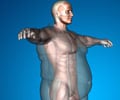
Obesity is a condition where there is excess accumulation of body fat which poses a risk to the health of the individual. It can affect children and adults.
Obesity is a condition where there is excess accumulation of body fat which poses a risk to the health of the individual. It can affect children and adults.
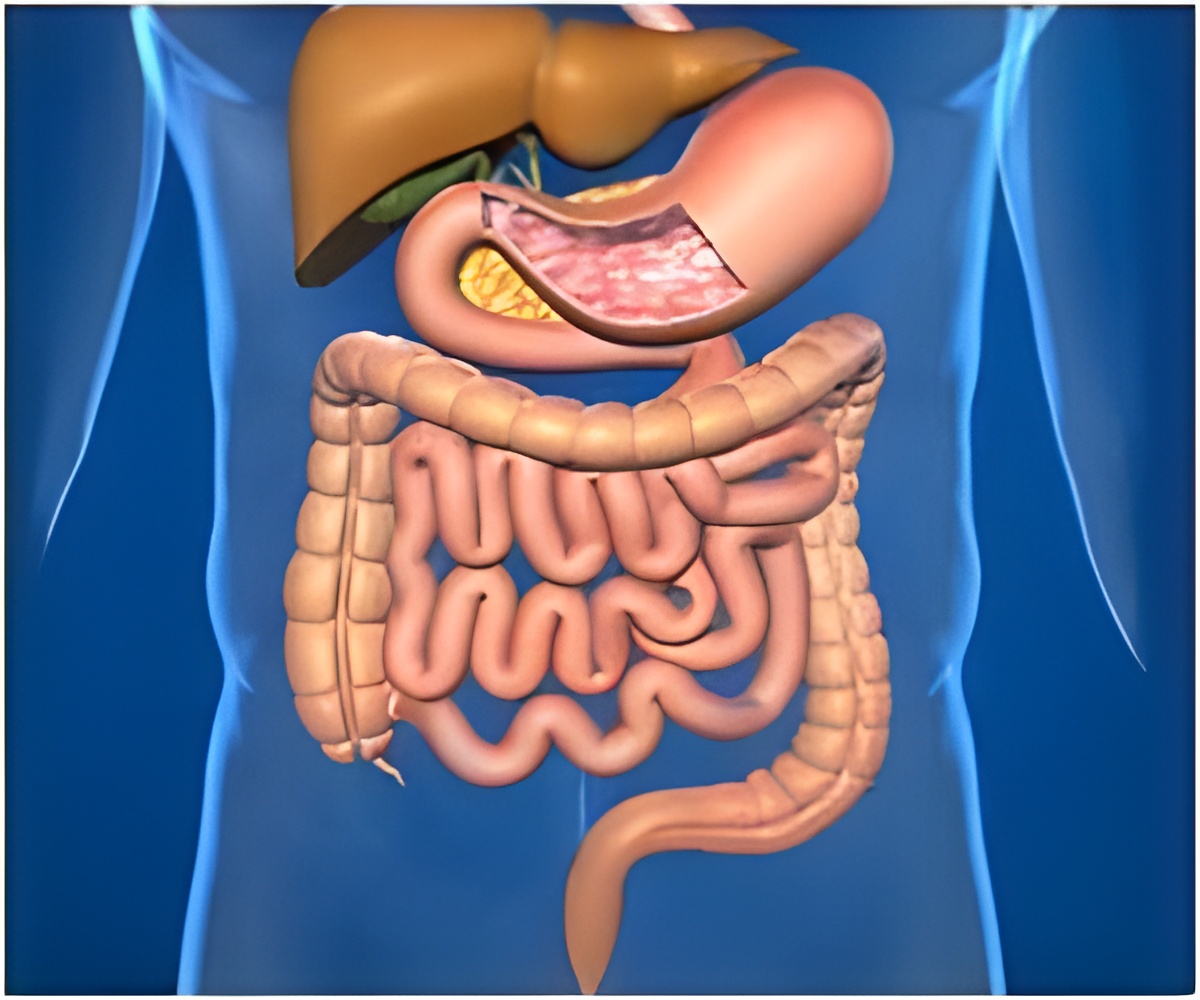
In experiments that compared "germ-free" (GF) mice, which don't have large-intestine bacteria, and regular mice, the scientists uncovered evidence suggesting that the bacteria do influence the activity of brown fat. Brown fat in the GF mice seemed to be more active, burning calories faster than in regular mice. Large-intestine bacteria also seemed to be linked with gender differences in weight. Normal male mice were heavier and fattier than females, but those differences vanished in the GF mice. The research also uncovered major differences in the interactions between males and females and their intestinal bacteria that might help explain why the obesity epidemic is more serious and rapidly developing in women. Those and other findings may point the way toward approaches that kick-up the activity of brown fat in humans to prevent or treat obesity.

Brown Fat to Fight Flab
Around 50 grams of white fat stores 300 kilocalories. In contrast the same amount of brown fat burns 300 kilocalories a day. Such is the magic of this good fat.
Around 50 grams of white fat stores 300 kilocalories. In contrast the same amount of brown fat burns 300 kilocalories a day. Such is the magic of this good fat.

How to Lose Weight?
Slide show which explains obesity causes and tips on how to lose weight. Exercising before breakfast is most effective for weight loss.
Slide show which explains obesity causes and tips on how to lose weight. Exercising before breakfast is most effective for weight loss.

Body Mass Index
The BMI calculator helps you assess your weight indicating if it is normal or if you are underweight or overweight, based on your height.
The BMI calculator helps you assess your weight indicating if it is normal or if you are underweight or overweight, based on your height.