Malaria - Causes, Symptoms, Diagnosis, Prevention, Treatment
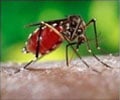
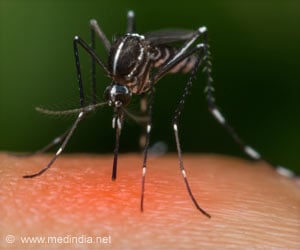
Malaria is caused by a parasite that enters blood through the bite of an infected mosquito. It is characterized by fever, vomiting, shivering, sweating and other symptoms.
Malaria is caused by a parasite that enters blood through the bite of an infected mosquito. It is characterized by fever, vomiting, shivering, sweating and other symptoms.
“Malaria remains a scourge,” said Mark Fishman, president, Novartis Institutes for BioMedical Research. “The parasite has demonstrated a frustrating ability to outwit new medicines, from quinine to today’s unsettling increased tolerance to artemisinin derivatives. We are delighted that our scientists could provide this potential new malaria therapy, based on an unprecedented chemical structure and directed to a novel target.”
Further regulatory pharmacological and safety evaluation is currently ongoing and, provided the outcome of these studies is favorable, the compound could progress to Phase I human trials.

“Using a novel Plasmodium whole-cell assay we were able to tap into the Novartis archive of 12,000 pure natural products and synthetic compounds to identify 275 compounds highly active against P. falciparum, the most prevalent and deadly form of malaria,” said Novartis Institute for Tropical Disease’s Bryan Yeung, project team head. “From this set all but 17 compounds were discarded for failing to meet pharmacological and efficacy standards. Of the remaining compound class, spirotetrahydro-beta-carbolines or spiroindolones have favorable physical and chemical properties for drug development as well as a mechanism of action distinct from the currently used therapies based on aminoquinolines and artemisinin derivatives.”
Advertisement
The discovery was a collaborative effort of the Novartis Institute for Tropical Diseases (NITD), the Genomics Institute of the Novartis Research Foundation (GNF), the Swiss Tropical and Public Health Institute and The Scripps Research Institute. Major support for the project was provided by the Wellcome Trust, the Medicines for Malaria Venture (MMV), A*STAR, Singapore and the U.S. government.
Advertisement
Source-Medindia