Benzyl Alcohol Lotion (BAL) has been found effective against head lice in children. A study published in Pediatric Dermatology says the treatment, non-neurotoxic, had a success rate of 91.2 per cent after one week.
BAL 5% (known as UlesfiaTM) works by suffocating lice, a method which has been attempted by treating with household items such as mayonnaise, olive oil and petroleum jelly. Studies have shown that overnight treatments with these home remedies may initially appear to kill lice, but later a "resurrection effect" occurs after rinsing, because lice can resist asphyxiation. This is accomplished by the louse's ability to presumably close its spiracles, the external entry points to the breathing apparatus, when submerged. Unlike commonly used asphyxiant remedies, scanning electron microscopy appears to indicate that benzyl alcohol lotion effectively asphyxiates lice by "stunning" the spiracles open, allowing the lotion, comprised of mineral oil and other inactive ingredients, to infiltrate the "honeycomb" respiratory apparatus and kill lice.
Pediculosis
Two species of lice affect humans - Pediculus humanus (capitis or corporis) and Phthirus pubis. Sensitization to louse saliva and antigens results in clinical manifestations.
Two species of lice affect humans - Pediculus humanus (capitis or corporis) and Phthirus pubis. Sensitization to louse saliva and antigens results in clinical manifestations.
"Existing over-the-counter head lice treatments contain neurotoxic pesticides as active ingredients, resulting in potential toxicity and other problems, including lengthy applications, odor, ineffective treatment. Resistance has also become a problem now that lice have had such prolonged exposure to these products," said study author Terri L Meinking, PhD, of Global Health Associates of Miami, USA. "This leaves practitioners, parents and patients hoping for a safe, non-neurotoxic cure."
"Since the most popular products have been made readily available, their overuse has caused lice to become resistant just as bacteria have become resistant to many antibiotics," added Meinking. "Because benzyl alcohol lotion kills by suffocation, resistance should not be an issue."
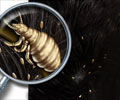
Hair Lice - Beauty Tips
Children who are going to school are facing this problem. A small insect that lives in the hair of children. By applying oil we can overcome from this problem.
Children who are going to school are facing this problem. A small insect that lives in the hair of children. By applying oil we can overcome from this problem.
GPL

Australian Women Opens Hair Lice Salon To Help Schoolchildren
A woman has opened southeast Queensland's first hair lice salon to help schoolchildren get rid of the parasite, say reports.
A woman has opened southeast Queensland's first hair lice salon to help schoolchildren get rid of the parasite, say reports.