
Lung Cancer - Types, Causes, Symptoms, Diagnosis, Treatment and Prevention
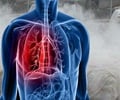
Lung cancer is a malignant tumor in the lung tissues. Smoking is the main cause of lung cancer with symptoms like recurrent respiratory diseases.
Lung cancer is a malignant tumor in the lung tissues. Smoking is the main cause of lung cancer with symptoms like recurrent respiratory diseases.
In the phase 2, multicenter study conducted in the Netherlands, researchers assigned 57 patients with NSCLC and a KRAS mutation to 400 mg of sorafenib twice daily.
At six weeks, Mellema and colleagues reported a rate of no progression of 52.6 percent. Fifteen patients stopped treatment before six weeks — 10 of whom stopped due to clinical progression. Median progression-free survival was 2.3 months, and median overall survival was 5.3 months. The researchers reported that 14 patients are still alive.
Lung Biopsy - Indications - Procedures - Risks - FAQs - Reference
The procedure by which tissue samples are obtained from the lung is known as lung biopsy. The biopsy tissues obtained from the lungs are examined by a pathologist.
The procedure by which tissue samples are obtained from the lung is known as lung biopsy. The biopsy tissues obtained from the lungs are examined by a pathologist.
Mellema and his team had conducted a pilot study in 10 patients, which showed "very promising results. Unfortunately, the results of the phase 2 study were less optimistic. We expected that progression-free survival and overall survival would be better [in the phase 2 study]," Mellema said.
Advertisement
Lung Cancer Screening - FAQs
Lung cancer accounts for nearly 1.3 million deaths annually worldwide. Lung cancer screening can help in early detection of cancer and possible cure.
Lung cancer accounts for nearly 1.3 million deaths annually worldwide. Lung cancer screening can help in early detection of cancer and possible cure.
Advertisement
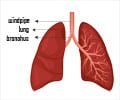
Pneumonia - Causes, Symptoms, Diagnosis, Treatment, Prevention, Complications
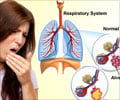
Pneumonia is a lung infection that can be caused by a bacteria or a virus. It causes inflammation of the alveoli or the air sacs of the lungs.
Pneumonia is a lung infection that can be caused by a bacteria or a virus. It causes inflammation of the alveoli or the air sacs of the lungs.