
Depression - Types, Causes, Symptoms, Diagnosis, Treatment
Depression is one of the most common mental disorders affecting approximately 340 million people in the world. No one is immune from depression - it occurs in people of all social classes, all countries and all cultural settings.
Depression is one of the most common mental disorders affecting approximately 340 million people in the world. No one is immune from depression - it occurs in people of all social classes, all countries and all cultural settings.
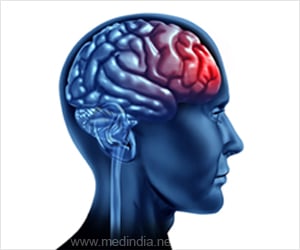
"The findings from our study are very exciting," said Rosenberg. "By measuring cortical thickness, we were able to distinguish depressed children not only from healthy children without depression, but also from those with another psychiatric disorder, obsessive compulsive disorder."
The study also revealed that familial depressed patients, or children with at least one first-degree relative with depression, had distinct cortical thickness compared to children with no obvious family history of mood disorder.

Quiz on Depression
The World Health Organization reports that depression is one of the main causes of disability affecting about 121 million people worldwide. More tragically, it claims around 850,000 lives every year. Hence, it is important that we understand this affliction to help ourselves or our loved ones to cope and, hopefully, resolve it. How well do you know the facts about depression? Take this quiz and find out.
The World Health Organization reports that depression is one of the main causes of disability affecting about 121 million people worldwide. More tragically, it claims around 850,000 lives every year. Hence, it is important that we understand this affliction to help ourselves or our loved ones to cope and, hopefully, resolve it. How well do you know the facts about depression? Take this quiz and find out.
This study offers an exciting new way to identify more objective markers of psychiatric illness in children. "It may have potential treatment significance for one-third of depressed children who do not respond to any treatment, and also for many who only partially respond with continued functional impairment," said Rosenberg. "We have found a clue to guide us to look at subtypes of depression just as we would in other chronic medical illnesses like diabetes, such as insulin dependent and non-insulin dependent diabetes."
Advertisement

How to Handle Depression
Few tips that could help you to manage depression. It is ok to be moody once in a while but if you feel moody for a longer period of time then it could be depression.
Few tips that could help you to manage depression. It is ok to be moody once in a while but if you feel moody for a longer period of time then it could be depression.

Patients With Depressive Disorders may Benefit from Psychosurgery
Experts say psychosurgery or deep brain stimulation (DBS) has shown promising results in the treatment of obsessive-compulsive disorder, depressive disorders, and Tourette syndrome.
Experts say psychosurgery or deep brain stimulation (DBS) has shown promising results in the treatment of obsessive-compulsive disorder, depressive disorders, and Tourette syndrome.