Latest studies have shown that drug resistant tuberculosis (XDR-TB) may have a new and reliable treatment option- aggressive drug treatment.
A study from Peru, between 1999 and 2002, demonstrated that more than 60 percent of XDR-TB patients not co-infected with HIV were cured after a personalized treatment.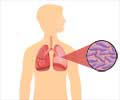
Tuberculosis - Spread - Symptoms - Diagnosis - Treatment - FAQs
Tuberculosis, caused by Mycobacterium tuberculosis, primarily affects the lung. It may spread to other organs.
Tuberculosis, caused by Mycobacterium tuberculosis, primarily affects the lung. It may spread to other organs.
In the present study, Peru researchers used a similar protocol for XDR-TB caused by bacteria that are resistant not only to the same first-line anti-TB drugs, but also to the two most important second-line drug classes.
A total of 810 patients with tuberculosis were referred for free individualized drug treatment and additional services as needed, including surgery, adverse-event management, and nutritional and psychological support.

Tuberculosis in Children - Magnitude of the problem
In India nearly 3-4 million children have tuberculosis and another 94 million are at risk for this disease. The annual infection rate is about 3% and usual sources are adults.
In India nearly 3-4 million children have tuberculosis and another 94 million are at risk for this disease. The annual infection rate is about 3% and usual sources are adults.
Based on susceptibility results for 12 anti-TB drugs, clinicians developed regimens that included five or more drugs to which the infecting strains were likely to respond.
Advertisement
The researchers found that 60.4 percent in the XDR-TB group and 66.3 percent in MDR-TB group were cured with the treatment.
Advertisement
"It's essential that the world know that XDR-TB is not a death sentence," says lead author Carole Mitnick, instructor in the Department of Global Health and Social Medicine at Harvard Medical School (HMS).
Patients with XDR-TB and other drug-resistant forms of the disease are often confined to hospitals for treatments but the new study showed that this treatment would not require hospitalization.
"As or even more importantly, our study shows that effective treatment does not require hospitalization or indefinite confinement of patients," Mitnick added.
The paper appears in The New England Journal of Medicine.
Source-ANI
TAN/M