In the Aug. 25 online issue of the Journal of Clinical Endocrinology & Metabolism, the researchers report successful creation of four new ATC cell lines, each with a different set of molecular mutations driving this aggressive cancer. Survival for ATC patients is typically brief, three to four months on average, as illustrated by the speculated ATC diagnosis and death in 2005 of Chief Justice of the United States William Rehnquist.
The researchers are sharing the new ATC cells with researchers internationally who need them, says the study's co-principal author, John Copland, Ph.D., a cancer biologist at the Mayo Clinic campus at Jacksonville.

The study shows detailed molecular fingerprinting that links genetic mutations found in the patients' tumors to the cell lines that are derived from these tumors. If any question arises in the future as to whether the newly created cell lines have become contaminated by other cancers, researchers can use the Mayo Clinic data to confirm the origin of the cells.
Advertisement
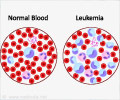
Chronic Lymphocytic Leukemia
Chronic Lymphocytic Leukemia (CLL) is one of the most common types of adult leukemia and is considered as one of the ‘good cancers’.
Chronic Lymphocytic Leukemia (CLL) is one of the most common types of adult leukemia and is considered as one of the ‘good cancers’.
Dr. Smallridge believes that within a few years it will be possible to genetically analyze each patient's ATC tumor in real time, and match its molecular profile to potential drugs. "No two tumors may match each other, but by understanding through a systems biology approach the multiple pathways that are active in the cancer, and then using a combination of drugs that inhibit these pathways simultaneously, we will begin to make progress against this cancer," he says.
Advertisement
According to Marlow, not only did the study report development of the cell lines, a project she led, it also tested five different drugs in these new cells lines for potential benefit. The researchers found that all of these agents, everything from an approved cholesterol lowering agent to experimental transferase inhibitors, reactivated a tumor suppressor gene called RhoB, leading to growth suppression.
Mayo researchers, led by Dr. Copland, had earlier discovered that RhoB function was missing in ATC cells, as it is in some other cancers. Dr. Smallridge is currently conducting a phase I clinical trial testing an agent that can turn the tumor suppressor function back on.
Because thyroid cancers are uncommon and anaplastic thyroid cancer is exceedingly rare — fewer than 600 new ATC cases a year in the U.S. — Dr. Smallridge asks every patient having surgery for thyroid cancer at Mayo Clinic for a tumor sample. Other surgeons around the country have sent Marlow tumor samples in her quest to create new cell lines for thyroid cancer.
"This work defines the importance of collaborations across institutions to collect tissues for a very rare cancer," Dr. Copland says.
Using tumor samples from this collaboration, it took two years and many tries to create the four new lines, Marlow says. "These cells are very difficult to grow and to maintain because of their chromosomal instability," she says. Marlow had to derive a new formula for the media that the cells live on in their culture dishes, a recipe that is special for this kind of cancer and which is reproduced in the study publication. The article also identifies multiple genetic and phenotypic tests that will uniquely identify each cell line now and in the future, she says.
Source-Eurekalert