
About Gout
High levels of uric acid in blood and recurring attacks of joint inflammation are the main symptoms of gout. Lifestyle changes like weight loss, increasing fluid intake and dietary changes can help.
High levels of uric acid in blood and recurring attacks of joint inflammation are the main symptoms of gout. Lifestyle changes like weight loss, increasing fluid intake and dietary changes can help.
The researchers found that when analyzed separately by dose, patients treated with biweekly pegloticase experienced response rates (of meeting the primary outcome) of 47 percent (20/43) and 38 percent (16/42) in the 2 trials. Patients treated with monthly pegloticase reported response rates of 20 percent (8/41) and 49 percent (21/43), and response rates were 0 percent in both placebo groups. "When data in the 2 trials were pooled, the primary end point was achieved in 36 of 85 patients in the biweekly group (42 percent), 29 of 84 patients in the monthly group (35 percent), and 0 of 43 patients in the placebo group," the authors write. Average plasma UA for responders was substantially below 6.0 mg/dL for the entire 6-month treatment period.
The researchers also found that both pegloticase dosing groups reported significant improvements in physical function and QOL compared with placebo. Patient-reported pain was significantly reduced with biweekly pegloticase vs. placebo.

Gout and Diet - Dietary Intervention - Reference
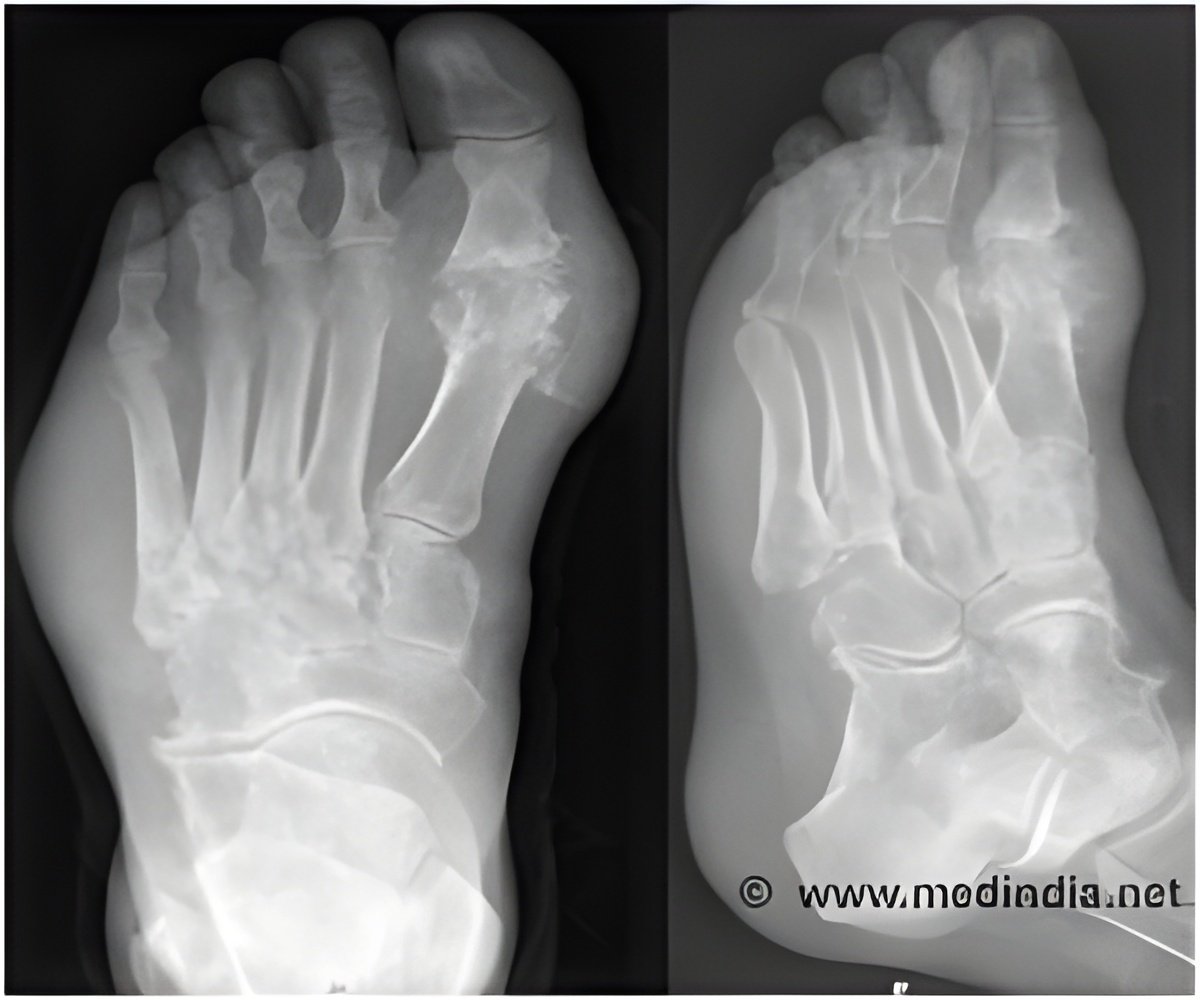
In gout excess of uric acid appears in the blood and its particles are deposited in joints as tophi.
In gout excess of uric acid appears in the blood and its particles are deposited in joints as tophi.
"These parallel, 6-month, placebo-controlled trials of pegloticase treatment have documented sustained UA reductions and significant clinical improvements in a substantial proportion of patients with chronic gout and refractoriness to, or intolerance of, conventional urate-lowering therapy. The significant disease-modifying benefits of pegloticase given every 2 weeks were demonstrable within 6 months, a time frame unique in randomized controlled trials of urate-lowering agents," the authors write.
Advertisement

Gout Drug Rejected by FDA Panel
A US Food and Drug Administration panel almost unanimously voted down the recommendation for approving a gout drug over fears of safety and side effects.
A US Food and Drug Administration panel almost unanimously voted down the recommendation for approving a gout drug over fears of safety and side effects.