
What is a heart attack / How to prevent heart attacks
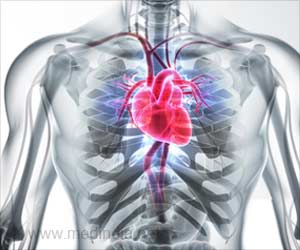
Heart attack is the death of the heart muscle due to loss of blood supply. Simple guidelines to avoid heart attack are listed.
Heart attack is the death of the heart muscle due to loss of blood supply. Simple guidelines to avoid heart attack are listed.
Mice in the study showed damages to the regulation of their heart rate within 24 hours of cardiac arrest. But those mice that lived with a partner showed significantly less damage, and had more normal control of heart rate variability.
"This is another way that social interaction is able to improve health functioning after a heart attack," said Norman.

Animation of heart attack symptoms
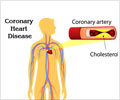
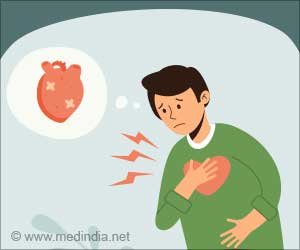
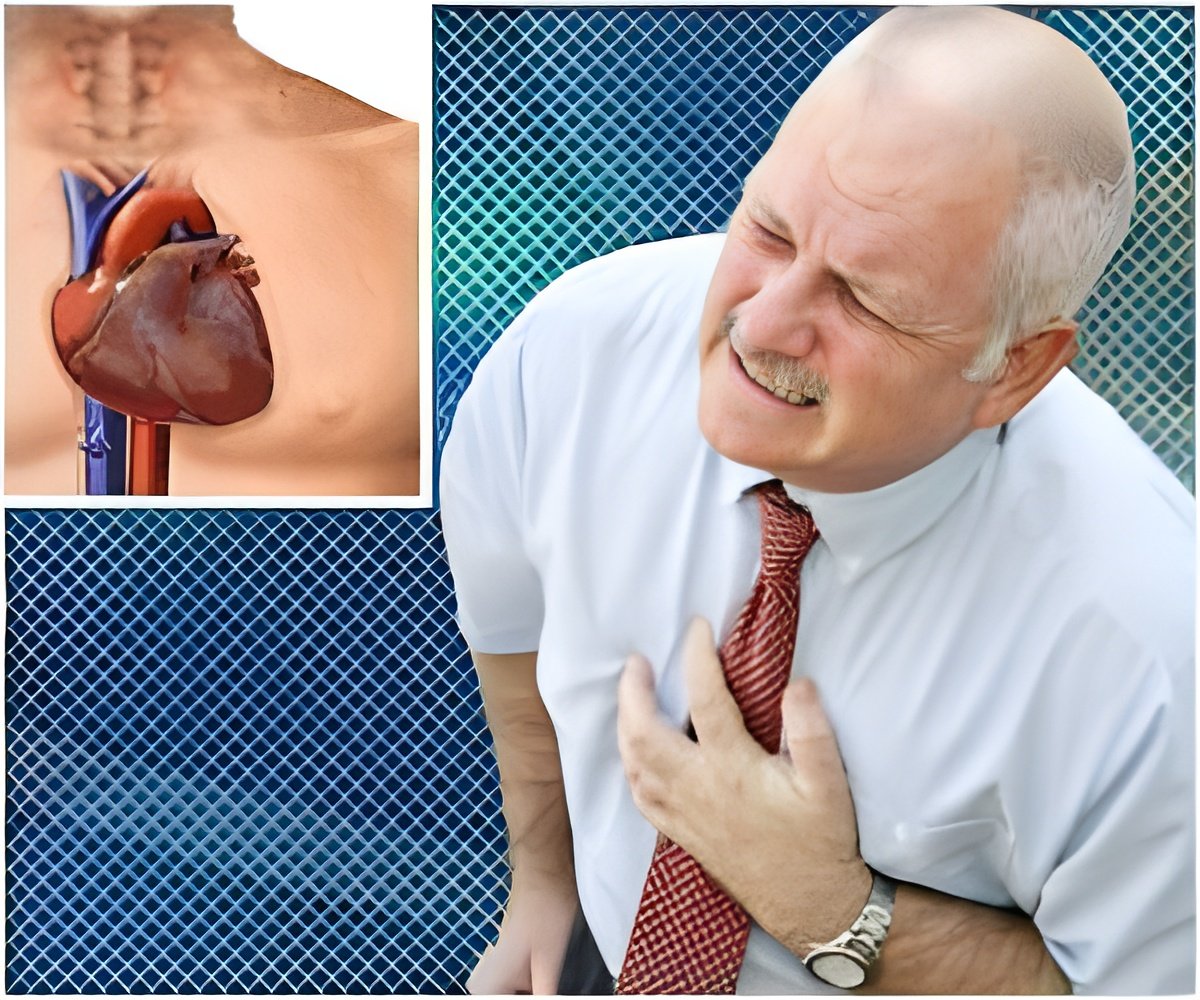
Heart attack can cause symptoms such as Chest pain or discomfort, Shortness of breath and pain in neck, back, arm, or shoulder and is due to blockage of blood supply to the heart muscles
Heart attack can cause symptoms such as Chest pain or discomfort, Shortness of breath and pain in neck, back, arm, or shoulder and is due to blockage of blood supply to the heart muscles
After two weeks, some of the mice underwent a surgically induced heart attack, while others were placed in a control group that did not undergo cardiac arrest.
Advertisement

Bad Tempered Prone To Heart Attacks
Bad tempered? You might be more prone than others to heart attack. The carotid artery lining was significantly thicker in people who rated low on a scale of agreeableness.
Bad tempered? You might be more prone than others to heart attack. The carotid artery lining was significantly thicker in people who rated low on a scale of agreeableness.
On nearly every measure, mice that lived with a partner showed less damage after the heart attack than did those that lived alone.
Advertisement

Combative Personalities Face Higher Risk of Heart Attack and Stroke
Competitive and aggressive people face a higher risk of heart attack and stroke, states a new study.
Competitive and aggressive people face a higher risk of heart attack and stroke, states a new study.
"Something as simple as living with another mouse can cut in half the amount of cell death in the brain as a result of cardiac arrest," Norman said.
In one test, socially housed mice showed less depressive-like symptoms than did mice that lived alone. Mice with a partner spent more time swimming when placed in water, while socially isolated mice spent much more time floating, which is seen as a depressive symptom.
"Cardiac arrest, even among mice in good social conditions, is inducing some depressive-like behaviors," DeVries said.
"But depressive symptoms are more pronounced for mice that lived alone," he added.
The results also showed evidence that socially isolated mice had more activity in the brain associated with the creation of pro-inflammatory chemicals, such as tumor necrosis factor alpha (TNF-a).
The findings were published in the online edition of the Proceedings of the National Academy of Sciences.
Source-ANI