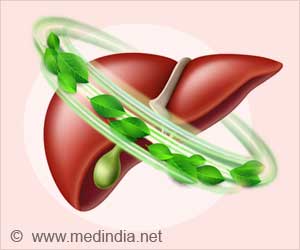
In newborn mice, at least, mother's milk appears to have some rather immediate and potentially far-reaching metabolic consequences. The milk intake kick-starts the liver to produce a molecule that then turns on heat-generating brown fat.
"A key phenomenon required after birth is to adapt the body to a lower environmental temperature with respect to that experienced when the fetus is inside the mother's womb," said Francesc Villarroya of the University of Barcelona. "We find that a key inducer of heat production in neonates is FGF21, released by the liver in response to the initiation of suckling."
Donated Mothers Milk To Hit The Market
A California company backed by Silicon Valley venture capitalists will soon start selling donated mothers milk to hospitals treating premature infants, the Los Angeles Times reported
A California company backed by Silicon Valley venture capitalists will soon start selling donated mothers milk to hospitals treating premature infants, the Los Angeles Times reported
In the new study, the researchers wanted to know whether FGF21 also has a role in metabolic shifts as newborn animals transition to life in the world. It appears that it does.
Plasma FGF21 levels and FGF21 gene expression in the liver rise dramatically after birth in mice, the researchers report. That increase is initiated by suckling and depends on the intake of lipid-rich milk. When the researchers mimicked the FGF21 postnatal rise by injecting FGF21 into fasting neonates, they found that the treatment enhanced the expression of genes involved in heat generation, or thermogenesis, within brown fat, to increase body temperature. Brown fat cells treated with FGF21 showed increased expression of thermogenesis genes. The cells also expended more energy and burned more glucose.

World Breastfeeding Week
The World Breastfeeding Week campaign aims to increase awareness about the benefits of breast feeding by reinforcing the importance of creating Awareness and Support.
The World Breastfeeding Week campaign aims to increase awareness about the benefits of breast feeding by reinforcing the importance of creating Awareness and Support.
"There are many evidences that alterations of dietary, genetic, environmental, or other origin in the metabolic performance during the fetal and early neonatal life can make an individual prone to develop diabetes and obesity in adulthood," he said. "The precise mechanisms by which this happens are not fully understood. We observe that a 'natural' event in the postnatal life is a burst in FGF21 levels in response to suckling. It will be important to know whether any disturbance in the intensity of this naturally occurring event may have negative consequences in adulthood."
Advertisement

Cleverness Gene Makes Kids Smart, Not Breast Milk
It's not breast milk that makes babies smarter, it's clever mothers.
It's not breast milk that makes babies smarter, it's clever mothers.
He says he suspects the pathways observed in neonatal mice do play similar roles in newborn humans, and maybe in adults, too. "It remains to be demonstrated if FGF21 is also an activator of brown fat in adult humans, but this would be of utmost importance for studies on complex metabolic diseases in adult humans," he says.
Advertisement
Breast Milk Best If Consumed as Soon as It is Expressed
Breast milk should be given to a baby at the same time of day it is expressed, a new study has said.
Breast milk should be given to a baby at the same time of day it is expressed, a new study has said.
Source-Eurekalert
SAV