Over 85,000 persons were killed in Iraq between 2004 and 2008, according to the Iraqi government.
The number is based on death certificates issued by the Ministry of Health and included 15,000 unidentified bodies, but does not include foreigners or insurgents.
International Human Rights Day
International Human Rights Day falls on 10th December 2007. The Day is in honor and remembrance of the Universal Declaration of Human Rights, adopted by the United Nations General Assembly in 1948.
International Human Rights Day falls on 10th December 2007. The Day is in honor and remembrance of the Universal Declaration of Human Rights, adopted by the United Nations General Assembly in 1948.
Among the deaths were 1,279 children, 2,334 women, 263 university professors, 21 judges, 95 lawyers and 269 journalists.
The data covers only violent deaths, such as people killed in shootings, bombings, mortar attacks and beheadings.

Iraqi Violence Has Claimed 120 Deaths Per Day on an Average in Three Years
An average of 120 Iraqi adults died a violent death every day in the three years following the US-led invasion of March 2003, the World Health Organisation (WHO) said Wednesday.
An average of 120 Iraqi adults died a violent death every day in the three years following the US-led invasion of March 2003, the World Health Organisation (WHO) said Wednesday.
About 148,000 people were injured during the same period.
Advertisement

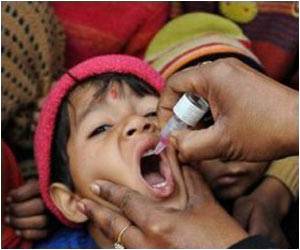
Children are Worst Affected by Iraq Violence: UNICEF
The lives of millions of Iraqi children are blighted by violence, poor nutrition and disrupted education more than four years after the US-led invasion, UNICEF said in a report released on Friday.
The lives of millions of Iraqi children are blighted by violence, poor nutrition and disrupted education more than four years after the US-led invasion, UNICEF said in a report released on Friday.
“Through the terrorist attacks like explosions, assassinations, kidnappings and forced displacements, the outlawed groups have created these terrible figures,” it said.
Advertisement

Cholera and Typoid Pose a Great Threat to Iraq: WHO
The World Health Organisation said Thursday that cholera and typhoid pose the key risks to health in Iraq, with refugees and displaced people particularly vulnerable to any outbreak.
The World Health Organisation said Thursday that cholera and typhoid pose the key risks to health in Iraq, with refugees and displaced people particularly vulnerable to any outbreak.
“I expect that the real numbers of the people killed are higher than this,” Khalil said. He added that he did not think the country would return to the high numbers of dead in the future because security has improved. “We have already lost dear ones, and we hope that our sadness and losses will cease.”
Emmanuel d’Harcourt from the New York-based International Rescue Committee, who’s participated in mortality surveys in such places as Sudan and Sierra Leone, said the figures are undoubtedly low and that considering the challenges associated with counting those killed in the Iraq conflict, a true figure might never be reached.
“I would think that Iraq would be one of the most difficult places on Earth to count the dead,” he said.
Combined with tallies based on hospital sources and media reports since the beginning of the war and an in-depth review of available evidence by the AP, the figures showed that more than 110,600 Iraqis had died in violence since the 2003 U.S.-led invasion and up through early 2009.
The most recent numbers from Iraq Body Count, a private London-based group that has tracked civilian casualties since the war began, puts the number of civilian casualties as of Oct. 14 at 93,540.
Controversy has dogged the numbers all these years, supporters and opponents of invasion charging the other side was manipulating the figures.
The reality is that amid the chaos and violence that followed the invasion the true number may never be known, BBC’s Gabriel Gatehouse in Baghdad says.
Source-Medindia
GPL/L