What You Should Know about Japanese Encephalitis - Types, Causes, Symptoms, Diagnosis & Treatment
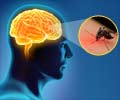
Japanese encephalitis is a mosquito borne viral disease associated with inflammation of the brain.
Japanese encephalitis is a mosquito borne viral disease associated with inflammation of the brain.
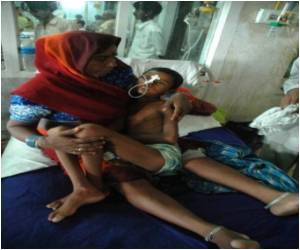
The deaths of five more children on Friday pushed the toll to 211, with hundreds sick, some two to a bed, in hospitals in Gorakhpur, a deeply neglected area of 14 million people, he said.
"A total of 1,299 patients had been admitted in hospitals until Friday in Gorakhpur," which is the epicentre of the outbreak, and "more encephalitis patients are coming into our hospitals," Srivastava told AFP.

Vaccination Campaign to Protect Against Japanese Encephalitis Kickstarts in UP
A vaccination campaign has begun in Uttar Pradesh to combat Japanese Encephalitis.
A vaccination campaign has begun in Uttar Pradesh to combat Japanese Encephalitis.
Japanese encephalitis causes brain inflammation and can result in brain damage. Symptoms include headaches, seizures and fever.
Advertisement

Encephalitis Kills More Than 30 Children in Gaya
Acute encephalitis that results in inflammation of the brain is on the rise in Bihar's Gaya district.
Acute encephalitis that results in inflammation of the brain is on the rise in Bihar's Gaya district.
Unusually heavy monsoon rains coupled with overflowing rivers coursing through Gorakhpur are making it tougher for health workers battling encephalitis.
Advertisement
V.S. Nigam, in charge of Uttar Pradesh's encephalitis prevention programme, said a mammoth project to contain the disease ended with 35 million children vaccinated in the state's 34 districts.
But as soon children are vaccinated against Japanese encephalitis, they fall sick with acute encephalitis syndrome "because when one virus is suppressed by vaccines, others become dominant," he said from the state capital Lucknow.
"It's a large challenge," Nigam said, adding state health experts would meet national virologists next week in New Delhi for talks on way to prevent future outbreaks.
The regional chapter of the Voluntary Health Association, India's largest non-governmental organisation, which works alongside the UN Children's Fund, blamed the annual tragedy on the state's random immunisation programmes.
"A high alert is sounded only after an encephalitis epidemic flares," association executive director J.P. Sharma said.
"Preventive steps should be taken well ahead of the monsoon as vaccines need an incubation period to make human beings immune to the virus," Sharma told AFP.
Source-AFP