A study in the October 14 issue of JAMA, a theme issue on surgical care says that the use of minimally invasive procedures for radical prostatectomy, which have increased significantly in recent years, may shorten hospital stays and decrease respiratory and surgical complications, but may also result in an increased rate of certain complications, including incontinence and erectile dysfunction.
Jim C. Hu, M.D., M.P.H., of Brigham and Women's Hospital, Boston, presented the findings of the study at a JAMA media briefing in Chicago.
Prostate Cancer | Cancer of Prostate - Incidence, Prevention, Causes, Symptoms & Treatment
This cancer affects men over the age of 50 years and screening with rectal examination and PSA can help both in early detection and effective treatment
This cancer affects men over the age of 50 years and screening with rectal examination and PSA can help both in early detection and effective treatment
"Moreover, the widespread direct-to-consumer advertising and marketed benefits of robotic-assisted MIRP in the United States may promote publication bias against studies that detail challenges and suboptimal outcomes early in the MIRP learning curve. Until comparative effectiveness of robotic-assisted MIRP can be demonstrated, open RRP, with a 20-year lead time for dissemination of surgical technique relative to MIRP, remains the gold standard surgical therapy for localized prostate cancer," the authors write.
Dr. Hu and colleagues assessed the outcomes for men with prostate cancer who underwent MIRP (n = 1,938) vs. RRP (n = 6,899), using U.S. Surveillance, Epidemiology, and End Results Medicare linked data. During the study period, the use of MIRP increased almost 5-fold, from 9.2 percent in 2003 to 43.2 percent in 2006-2007.
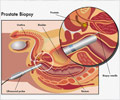
Prostate Biopsy-Preparations-Risks-Complications-Procedure-FAQ
Encyclopedia section of medindia gives general information about prostate gland
Encyclopedia section of medindia gives general information about prostate gland
"However, men undergoing MIRP vs. RRP experienced more genitourinary complications [involving the genital and urinary organs or their functions; 4.7 percent vs. 2.1 percent) and were more often diagnosed as having incontinence and erectile dysfunction. The need for additional cancer therapies was similar by surgical approach," the authors write.
Advertisement
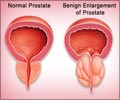
Benign Prostatic Hyperplasia (BPH) Causes Symptoms Diagnosis Treatment FAQs
Benign Prostatic Hyperplasia (BPH) or Benign Enlargement of Prostate (BEP) is an increase in the size of the prostate. The prostate is a walnut sized gland that is part of the male reproductive system.
Benign Prostatic Hyperplasia (BPH) or Benign Enlargement of Prostate (BEP) is an increase in the size of the prostate. The prostate is a walnut sized gland that is part of the male reproductive system.
"In light of the mixed outcomes associated with MIRP, our finding that men of higher socioeconomic status opted for a high-technology alternative despite insufficient data demonstrating superiority over an established gold standard may be a reflection of a society and health care system enamored with new technology that increased direct and indirect health care costs but had yet to uniformly realize marketed or potential benefits during early adoption," the authors conclude.
Advertisement

Source-Eurekalert
RAS