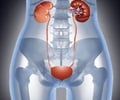
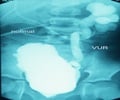
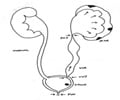
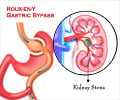
Kids with a history of consuming melamine-contaminated milk powder are at a higher risk of developing kidney stones and other urological complications, says two new studies.
The study found that melamine calculus occurred mostly in infants at six months to 18 months after consuming melamine-contaminated milk powder after birth but that the stones could be effectively managed with noninvasive treatment.
Fresh Milk Products Pass Melamine Test, Says China
China's fresh milk products have passed melamine test and they are safe, says the country’s Agriculture Ministry.
China's fresh milk products have passed melamine test and they are safe, says the country’s Agriculture Ministry.
Researchers studied ultrasound images from each child, measuring kidney stone size, number, shape and location. Eighty-five percent of these cases occurred in children ages six to 18 months. Of these 50 children, 42 formed kidney stones in both kidneys; multiple stones were found in 18 children; and single stones were found in nine of them.
Eleven kids experienced kidney failure, in which the stone diameters of bilateral kidneys were significantly larger than those who did not experience kidney failure. In 21 cases, the stone was passed after non-operative hospital treatment in an average of eight days.

Swiss Scientists Develop Faster Technique To Detect Melamine
Swiss researchers have developed a faster technique to detect the presence of melamine in liquids, the Swiss Federal Institute of Technology Zurich (EPFZ) announced Monday.
Swiss researchers have developed a faster technique to detect the presence of melamine in liquids, the Swiss Federal Institute of Technology Zurich (EPFZ) announced Monday.
The kids were divided into mild (25 cases), moderate (122 cases) and severe (18 cases) groups. Researchers found that the peak incidence of urolithiasis (urinary stones) was found in children aged six months to 12 months.
Advertisement
Melamine Milk Scam: Compensation Ensured for Child Medical Bills Till 18 Years Age
The compensation fund for victims of a tainted milk scandal will pay for medical costs the sickened incur until they reach 18, affected families said Tuesday.
The compensation fund for victims of a tainted milk scandal will pay for medical costs the sickened incur until they reach 18, affected families said Tuesday.
Acute urinary retention (the sudden inability to urinate) caused by urethral stones was found in five cases. The stone diameter ranged from 22mm to 16mm, and 63.5 percent of cases had 4-10 mm stones. All cases accepted non-operative treatment, except those cases with a bilateral stone and obstruction. After hospital treatment, the stone expulsion rate was 43 percent.
Advertisement
The two studies were presented at the 104th Annual Scientific Meeting of the American Urological Association (AUA).
Source-ANI
ARU