Approximately 21 million visits were made to physicians' offices due to back problems in 2006. While countless adults experience back pain and stiffness, many suffer from serious spine and back conditions –including injury, herniated discs and the deterioration of the vertebrae. Three new studies presented at the 2010 Annual Meeting of the American Academy of Orthopaedic Surgeons (AAOS) detail advances in back care and treatment options for specific back and spine conditions. Each of the following three studies consider and report on the patients' best outcomes and options:
- Does the duration of symptoms affect outcomes in the treatment of lumbar disc herniation?
- Treatment of Lumbar Spinal Stenosis: Who Decides to Have Surgery?
- Balloon Kyphoplasty vs Non-surgical Care: 2 Year Outcome of a Randomized Controlled Trial

Back Pain – Symptoms, Causes, Diagnosis, Treatment & Prevention
Back pain or Backache is common due to poor posture, postural deformities and life style. Back pain can be classified anatomically as upper, lower and middle back pain.
Back pain or Backache is common due to poor posture, postural deformities and life style. Back pain can be classified anatomically as upper, lower and middle back pain.
A new study released today analyzed the effect of symptom duration when treating herniated discs in the lower back. A comparison was made between 927 patients who had intervertebral lumbar disc herniation symptoms for less than six months and 265 patients who had symptoms longer than six months. Patients with symptoms lasting longer than six months had worse outcomes after both operative and non-operative treatment than patients with shorter symptom duration.
"The bottom line is patients who seek treatment, whether it is surgical or non-surgical, during the first six months of symptoms will respond better to treatment," said Jeffrey A. Rihn, MD, study co-investigator and assistant professor, Department of Orthopaedic Surgery, Thomas Jefferson University and The Rothman Institute. "We also learned that surgery offers advantages over non-surgical treatment regardless of the duration of symptoms."

Yoga and Back Pain - Introduction
The healing effects of yoga benefit those suffering from backpain, by alleviating their pain and also preventing its recurrence.
The healing effects of yoga benefit those suffering from backpain, by alleviating their pain and also preventing its recurrence.
Spine Injury in Seniors: Is Surgery For You? Lumbar spinal stenosis is the leading cause of spine surgery in patients over age 65. Spinal degeneration narrows the spinal canal and compresses the spinal cord and nerves. Previous studies have demonstrated the benefit of surgery over non-surgical management of this condition, however, in these studies it was unclear what were the indications for surgery and largely unknown which patients select surgery.
Advertisement
Ankylosing Spondylitis - Causes Symptoms Diagnosis Treatment FAQs
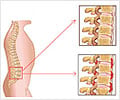
Ankylosing spondylitis is a rheumatic disease that causes arthritis of the spine and sacro iliac joint.
Ankylosing spondylitis is a rheumatic disease that causes arthritis of the spine and sacro iliac joint.
- Younger;
- With more pain and more disability; and
- Felt their symptoms were progressing.
Advertisement

Cervical Spondylosis - Causes - Symptoms - Diagnosis - Treatment - FAQs
Cervical spondylosis is a disorder in which there is abnormal wear on cervical vertebrae.
Cervical spondylosis is a disorder in which there is abnormal wear on cervical vertebrae.
Learn more.
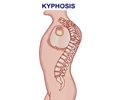
Vertebral Fractures: Surgical or Non-Surgical Care?Vertebral compression fractures are one of the most frequent consequences of osteoporosis. They cause pain, disability and diminished quality of life. Current non-surgical treatment options involve pain medication, bed rest, physiotherapy and back bracing. However these options do not address the resulting vertebrae breakdown, height loss and other resulting problems.
Balloon kyphoplasty is a minimally invasive procedure for acute vertebral fractures that reduces and corrects the vertebral deformity by inserting expandable balloon tamps and then filling it with bone cement. In 2007, 46,000 inpatient kyphoplasty procedures were performed in the United States, according to the Nationwide Inpatient Sample, Healthcare Cost and Utilization Project coordinated by the Agency for Healthcare Research & Quality.
Results were presented today from a study of 149 patients treated with balloon kyphoplasty and 151 patients treated with non-surgical treatment. Measurements for quality of life, back pain and function, and days of disability were assessed through 24 months of follow-up. Compared to non-surgical care, balloon kyphoplasty:
- Improved quality of life;
- Reduced back pain and disability; and
- Did not increase adverse events including the risk of vertebral fracture over two years.
"I have been using balloon kyphoplasty to treat patients with painful vertebral compression fractures for years so the immediate and sustained pain relief we saw in the study did not surprise me," concluded Jan Van Meirhaeghe, MD, study co-author and orthopaedic surgeon, Department of Orthopaedic Surgery, St-Jans Hospital, Brugge, Belgium and Gent University Hospital, Gent, Belgium. "But until now these decreased pain levels and significant quality of life improvement, as compared to non-surgical treatment, had not been demonstrated in a clinical trial."
Source-Eurekalert
TAN