An emphasis on compliance with non-pathogen specific infection control practices may help reduce MRSA rates, scientists at The Virginia Commonwealth University Medical Center have found.
These include measures such as hand hygiene, efforts to reduce device-related infections and chlorhexidine bathing (a daily bath with the same antibacterial agent used by surgeons to "scrub in" before an operation), is successful in reducing rates of healthcare-associated methicillin-resistant Staphylococcus aureus. The findings were presented today at the Fifth Decennial International Conference on Healthcare-Associated Infections.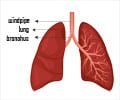
Pneumonia - Causes, Symptoms, Diagnosis, Treatment, Prevention, Complications
Pneumonia is a lung infection that can be caused by a bacteria or a virus. It causes inflammation of the alveoli or the air sacs of the lungs.
Pneumonia is a lung infection that can be caused by a bacteria or a virus. It causes inflammation of the alveoli or the air sacs of the lungs.
Over a seven year period, beginning in 2004, the medical center instituted a series of non-pathogen specific initiatives to reduce HAIs including an increasingly aggressive hand hygiene program, a central line bundle, a ventilator bundle, and chlorhexidine bathing of all adult ICU patients and a recommendation for bare below the elbows, along with compliance monitoring and feedback via unit-specific posters. Active surveillance cultures were not performed.
During this time, Michael Edmond, MD, MPH, MPA, chair of the division of infectious diseases, and colleagues observed a 91percent reduction in MRSA central line associated bloodstream infections, a 62 percent reduction in MRSA catheter-associated urinary tract infections and a 92 percent reduction in MRSA ventilator associated pneumonia. These outcomes were observed in a 16-bed medical ICU, 18-bed surgical ICU and 14-bed neuroscience ICU.

Hib Vaccine - Types, Dosage Schedule, Contraindications and Side Effects
The Hib vaccine protects children against infections like meningitis and pneumonia that are caused by the Haemophilus influenzae type b bacterium.
The Hib vaccine protects children against infections like meningitis and pneumonia that are caused by the Haemophilus influenzae type b bacterium.
Edmond cautioned this is an observational study using data from a single medical center and was observed in the ICU. Other healthcare facilities may have different results.
Advertisement

Super-oxidised Water Found Effective Against MRSA
Oculus, a Californian firm has claimed to have developed super-oxidised water, which speeds up healing of a wound.
Oculus, a Californian firm has claimed to have developed super-oxidised water, which speeds up healing of a wound.
Advertisement

MRSA Risk from Pets
Researchers at the University of South Florida are reporting that MRSA infection could be rife in people that have been bitten by dogs or cats.
Researchers at the University of South Florida are reporting that MRSA infection could be rife in people that have been bitten by dogs or cats.
RAS