A study in the November 25 issue of JAMA has demonstrated that patients with an out-of-hospital cardiac arrest who received intravenous (IV) drug administration during treatment, recommended in life support guidelines, had higher rates of short term survival but no statistically significant improvement in survival to hospital discharge or long-term survival, compared to patients who did not receive IV drug administration.
"Intravenous access and drug administration are integral parts of cardiopulmonary resuscitation (CPR) guidelines. Millions of patients have received epinephrine during advanced cardiac life support (ACLS) with little or no evidence of improved survival to hospital discharge," the authors write. "Epinephrine was an independent predictor of poor outcome in a large epidemiological study, possibly due to toxicity of the drug or CPR interruptions secondary to establishing an intravenous line and drug administration."
Heart Attack - Overview
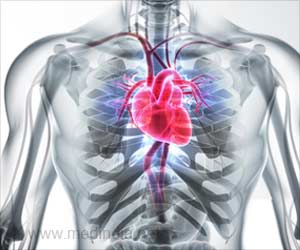
Heart attack is the death of the heart muscle due to loss of blood supply. Heart disease is the leading cause of death in the United States. Other names for heart attack include acute myocardial infarction, coronary thrombosis, and coronary occlusion.
Heart attack is the death of the heart muscle due to loss of blood supply. Heart disease is the leading cause of death in the United States. Other names for heart attack include acute myocardial infarction, coronary thrombosis, and coronary occlusion.
Analysis of the study results indicated that both groups had adequate and similar CPR quality, with few chest compression pauses and with compression and ventilation rates within the guideline recommendations.
"In the intravenous group, 44 of 418 patients (10.5 percent) survived to hospital discharge vs. 40 of 433 (9.2 percent) in the no intravenous group. Survival with favorable neurological outcome was 9.8 percent for the intravenous group and 8.1 percent for the no intravenous group," the authors write. "The cumulative postcardiac arrest survival rate at 7 days was 14.6 percent for patients in the intravenous group vs. 12.8 percent for patients in the no intravenous group, 11.3 percent vs. 8.8 percent, respectively, at 1 month, and 9.8 percent vs. 8.4 percent at 1 year."
Diet, Lifestyle and Heart Disease
The correlation between diet, lifestyle and heart disease. The importance of balanced diet life style and exercise for controlling heart disease.
The correlation between diet, lifestyle and heart disease. The importance of balanced diet life style and exercise for controlling heart disease.
Advertisement

What is a heart attack / How to prevent heart attacks
Heart attack is the death of the heart muscle due to loss of blood supply. Simple guidelines to avoid heart attack are listed.
Heart attack is the death of the heart muscle due to loss of blood supply. Simple guidelines to avoid heart attack are listed.
RAS
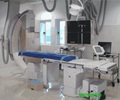
Cardiac Catheterization | Coronary Angiogram - Indications Preparation Procedure Risks Test FAQs
Cardiac catheterization is a radiological procedure for both diagnosis and treatment of heart conditions. It involves the insertion of a long thin flexible tube called catheter a vein or an artery to the heart.
Cardiac catheterization is a radiological procedure for both diagnosis and treatment of heart conditions. It involves the insertion of a long thin flexible tube called catheter a vein or an artery to the heart.