Forensic analysis of handwriting exposes devious methods resorted by people to tamper with legitimate or authentic documents for various reasons. Forging handwriting is the most familiar malpractice known even to school kids. But serious repercussions have been avoided, properties restored to rightful heirs, and original submission of documents verified with the aid of forensic analysis of handwriting and documentation. Gaurav Kaushik, Forensic Handwriting Analyst of JK Consultancy, New Delhi shares his expertise with Medindia on forensic analysis of handwriting.
Q. How is forensic analysis of handwriting different from a regular handwriting analysis?
Check The Handwriting To Spot A Liar
If you want to know if someone is telling you the truth, just go through his or her handwriting, say scientists in Haifa, Israel.
If you want to know if someone is telling you the truth, just go through his or her handwriting, say scientists in Haifa, Israel.
Q. What are the different kinds of forged handwriting? What are the usual means people resort to with the intent of malpractice?
A. People employ a number of ways such as free-hand forgery, tracing method, disguise one’s own handwriting, cut and paste, erase chemically or with other means.
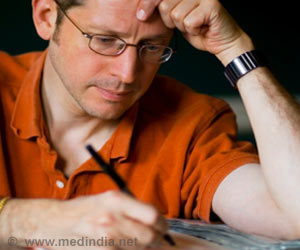
UP Pre-Medical Test Organizers Claim to Have Fool Proof Measures to Prevent Cheating
The Uttar Pradesh Combined Pre-Medical Test organizers have claimed that they have put in place “fool proof” measures to ensure that students do not have any opportunity to cheat
The Uttar Pradesh Combined Pre-Medical Test organizers have claimed that they have put in place “fool proof” measures to ensure that students do not have any opportunity to cheat
A. Video Spectral Comparator (VSC), an imaging system, is used to detect authentication of documents. Besides this, there are also document examiners. Some of the cues are similar connectors, line quality of the signature such as pen stops, pen pressure, pen lift, and pen pause. Apart from these signs, there are the connecting strokes, individual characters, and general characteristics to name a few.
Advertisement

Forensic Expert Finds Difficult to Analyze Lohan's Mind Through Her Handwriting
Actress Lindsay Lohan’s signature is “overly complicated” and nearly impossible to read, says a forensic handwriting expert.
Actress Lindsay Lohan’s signature is “overly complicated” and nearly impossible to read, says a forensic handwriting expert.
A. A forensic analyst can tell if the person was under the influence of intoxicating substance, whether the person is skilled or unskilled and approximate age of the person. But the character of a person can be assessed with 90 to 95% accuracy with the help of a graphologist.
Advertisement

Handwriting Plays a Vital Role in Expressing Self
Traditional art of handwriting still plays a critical role in how we learn and express ourselves, according to a leading handwriting expert.
Traditional art of handwriting still plays a critical role in how we learn and express ourselves, according to a leading handwriting expert.
A. Computer cannot forge handwriting, but digital signatures are similar to signatures on paper, so the same methods to detect a signature on a document are used.
Q. To what extent is forensic analysis of handwriting foolproof in profiling a person?
A. Forensic analysis of handwriting is based on science. At least two handwriting experts are given the same document and both will give the same report if they are honest to their profession.
Forensic Handwriting Analysis has been integral in resolving many legal disputes and in identifying unethical practices. On an interesting note, services of a document examiner is availed even by high end corporate to verify the authenticity of documents. A certified document examiner’s report serves as valid evidence in legal proceedings. Medindia thanks Gaurav Kaushik for his valuable input on one of the most absorbing vocations.
Source-Medindia