ADHD or Attention Deficit and Hyperactivity Disorder later develops into Learning Disability in children. Some of the problems children with ADHD face include poor academic performance, delay in motor milestone development and low self-esteem. Children with ADHD usually become introverts and lonely given the lack of peer-interaction. Jamuna Rani, Occupational Therapist at Pebbles Rehabilitation Centre for Children, Chennai, explains to Medindia how to identify, seek help and make sure children with ADHD cope with academics and society.
What are the signs of ADHD in Children?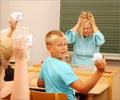
Attention Deficit Hyperactivity Disorder (ADHD) - Prognosis
Timely diagnosis, appropriate medications and supportive therapies along with a empathetic enviornment will help an individual with ADHD lead a fulfilling lives.
Timely diagnosis, appropriate medications and supportive therapies along with a empathetic enviornment will help an individual with ADHD lead a fulfilling lives.
How can Occupational Therapist Intervention help ADHD Children?
The psychology of children with ADHD must first be understood in order to deal with them. Getting them to mingle with other children is induced through group therapy. This way social interaction develops, a child is motivated to do an activity. For example if an introvert child is in a group with a hyperactive and or extrovert child, then the introvert child imitates the other. This boosts the child’s confidence enabling the child to initiate similar responses in class when a teacher asks a question. Hence with positive reinforcement such as applauding with claps or giving stars with each improving act, the child will eventually volunteer in school with, 'I will answer'.

Development Milestone
Medindia offers a milestone chart for the growing child, by which we can determine the activities of the baby at various stages of the growth.
Medindia offers a milestone chart for the growing child, by which we can determine the activities of the baby at various stages of the growth.
The foremost step is to calm the child because at an early age most do not know that they are undergoing treatment whereas students belonging to the 5-7 age group are aware that they are finding it difficult to cope with studies and even copying notes. Time that ADHD children spend with Occupational Therapists is not like being in a tuition class where the rest of the children belong to the same age group, same IQ level and with same grasping ability.
Advertisement

Attention Deficit Hyperactivity Disorder Calculator
Is your child inattentive, careless and hyperactive or exhibiting behavioral problems? Test your child for ADHD symptoms using this ADHD Test Calculator and find out if your child needs the help of a specialist.
Is your child inattentive, careless and hyperactive or exhibiting behavioral problems? Test your child for ADHD symptoms using this ADHD Test Calculator and find out if your child needs the help of a specialist.
What happens if the condition is left Untreated?
Advertisement
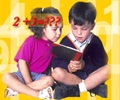
Dyscalculia Learning Disability Mathematics - Symptoms
Children with dyscalculia have difficulty grasping mathematical concepts, exhibit poor memory with a tendency to get lost or disoriented easily.
Children with dyscalculia have difficulty grasping mathematical concepts, exhibit poor memory with a tendency to get lost or disoriented easily.
How can Parent's / Guardian's contribute and help?
If someone is supportive then a child can be rescued. If at early stages a child has problem with identifying alphabets or writes inverted characters or mixes up letters then the child has to be taken to a specialist who can identify the child’s basic problem and advise a course of education that will support the child’s development and not undermine it. Only a strong foundation, attention to details, encouragement and support from parents and carers and the society at large will ensure a smooth progression from childhood to adulthood for children with learning disabilities.
Source-Medindia