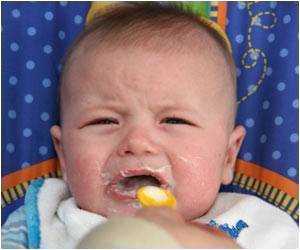
Anxious or depressed mothers-to-be are at increased risk of having children who will experience sleep problems in infancy and toddlerhood, finds a study.
While this finding presents itself as important news to tired new moms and dads – for whom a soundly sleeping child spells out well-deserved respite – it may carry even more value for babies. For them, sleep ranks as one of the most highly regarded indexes of healthy development, and plays a critical role in consolidating memory and facilitating learning, regulating metabolism and appetite, promoting good moods and sustaining both cardiovascular health and a vigorous immune function.“We’ve long known that a child’s sleep is vital to his or her growth, but the origins of problems affecting it remained unclear. Now, we have evidence that these patterns may be set early on, perhaps even before birth,” said lead author Thomas O’Connor, Ph.D., associate professor of Psychiatry at the University of Rochester Medical Center. “This is another piece in the unfolding mystery of just how much the prenatal environment may shape a child’s health and development for years to come.”
The survey-based study, part of the Avon Longitudinal Study of Parents and Children (ALSPAC), assessed pregnant women living in Avon, England, who were due to give birth in a 21-month window. More than 14,000 women – an estimated 85 to 90 percent of those eligible – responded to questionnaires that gauged how depressed or anxious they were at multiple points early on in, late in, and after their pregnancy. Later on, the women were then asked to report on their child’s sleep habits at 6, 18 and 30 months, detailing how long the child slept (a consolidated daytime and nighttime total), how often the child awoke, and if he or she exhibited any of seven common forms of sleep problems, such as having nightmares, refusing to go to bed or having trouble falling asleep.
Surprisingly, babies born to mothers classified as anxious or depressed while pregnant dozed just as long as their unstressed-pregnancy counterparts – about 12 hours.
However, this sleep was less sweet; children born to mothers who were depressed or anxious during pregnancy experienced more sleep problems. For instance, mothers classified as clinically anxious 18 weeks into pregnancy, compared to their non-anxious counterparts, were about 40 percent more likely to have an 18-month-old who refused to go to bed, woke early, and kept crawling out of bed. The child’s rocky relationship with sleep often persisted until he or she was 30 months old.
A similar effect was found in children born to mothers who were depressed during pregnancy.
Advertisement
“This problematic sleep is notable; it may be part of the reason why mood-disturbed pregnancies are linked to children’s behavioral disorders, like depression, hyperactivity and anxiety, later on down the road,” O’Connor said. “It remains to be seen if the sleep problems we witnessed may play an active, causal role in priming the path for these children’s emotional and cognitive problems in later life, or if both conditions merely fall out of the same stressful pregnancies.”
Advertisement
This could explain why sound sleep doesn’t come easily to kids whose signaling systems may not be properly calibrated, O’Connor said. However, more research is needed to monitor this signaling pathway more closely, watching for biological hints as to why sleep and behavioral disturbances so often crop up together.
In the meantime, pregnant women concerned about how their own mood-disturbance may harm their unborn baby’s sleeping habits, development and emotional health may want to consider psychological treatment, O’Connor said. Several evidence-based therapies exist, and unlike medication, none of them are suspect in the least for causing adverse effects to baby.
“Given prenatally, psychological interventions could instill a whole host of benefits that may carry-over to the child,” O’Connor said. “Still, more clinical research is needed to see how we can best promote healthy pregnancies and healthy babies.”
Source-Eurekalert
SRM/C