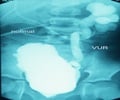
Cysts - Dysplastic Kidneys
Ultrasound scan reveals multiple cysts and there is no function on that kidney when tested on DMSA scan. A vast majority of them resolve spontaneously.
Ultrasound scan reveals multiple cysts and there is no function on that kidney when tested on DMSA scan. A vast majority of them resolve spontaneously.
Still, not everyone in the study was helped by the aggressive blood pressure treatment. Those patients who had little or no protein in their urine — that is, patients who were not as sick — saw their kidney disease progress at roughly the same rate regardless of how low they tried to get their blood pressure. It was the sicker patients, that is, those with protein in their urine, who benefited most from the more intensive blood pressure therapy, with roughly a 25 percent reduction in end-stage kidney disease as compared with those who met the standard blood pressure goal. Roughly one-third of the participants had higher amounts of protein in their urine.
"This has always been a hot topic: Is a lower blood pressure goal better at preserving kidney function than the standard goal? The answer is a qualified yes, notably in people who have some protein in their urine," Appel says.
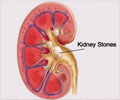
Kidney Stones / Renal Stones - Causes - Symptoms - Diagnosis - Treatment - FAQs
A kidney stone is a solid mass made up of tiny crystals and may appear in any area of the urinary system.
A kidney stone is a solid mass made up of tiny crystals and may appear in any area of the urinary system.
Chronic kidney disease is a major public health problem and one that is only growing, Appel says. In the United States, roughly one-third of cases of end-stage kidney disease — in which the kidneys no longer function and patients require dialysis or a transplant — are attributed to hypertension. The burden of kidney disease is especially high in African Americans. Though they constitute only 12 percent of the population, African Americans make up 32 percent of those with end-stage kidney disease. Appel says African Americans are four to 20 times more likely to reach end-stage kidney disease, though researchers remain unsure of the reasons why.
Advertisement

Dialysis - Hemodialysis, Peritoneal Dialysis and Role of Diet and Drugs
Dialysis is an artificial process for removing excess water and waste from the blood. Hemodialysis and peritoneal dialysis are the types of dialysis.
Dialysis is an artificial process for removing excess water and waste from the blood. Hemodialysis and peritoneal dialysis are the types of dialysis.
Appel says his study suggests that physicians should check for protein in the urine before determining the blood pressure goal for African Americans with kidney disease. If the patient has protein in the urine, a lower blood pressure goal has the potential to slow the progression of kidney disease. But if the patient has little or no protein in the urine, Appel says, the study suggests that reaching the lower blood pressure goal is not worth the extra effort, and the standard goal is just as good. Getting hypertensive patients down to 130/80 takes more doctor visits and requires more medication — on average, one more blood pressure prescription. However, once the lower blood pressure level is achieved, keeping the blood pressure there is not particularly difficult.
Advertisement
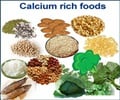
Diet for Kidney Stones
Diet for kidney stone should comprise of calcium-rich foods, increased fluid intake. Other dietary recommendations depends on the type of kidney stone.
Diet for kidney stone should comprise of calcium-rich foods, increased fluid intake. Other dietary recommendations depends on the type of kidney stone.
"That's still pretty high," Appel says. "The key is preventing early kidney damage in the first place."
More research is necessary, he says, to identify more factors that prevent early kidney damage, as well as factors that delay kidney disease progression among those who already have chronic kidney disease.
Source-Eurekalert