A human protein could offer new hope in the fight against HIV/AIDS by offering scientists a way to attack the virus and avoid problems with drug resistance, according to a US study released Monday.
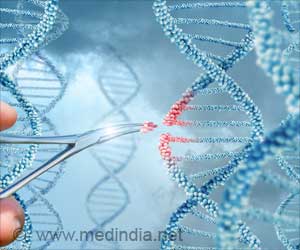
The approach involves suppressing a protein in human T cells, researchers at the National Institutes of Health said in their findings, published in the Proceedings of the National Academy of Sciences.When the protein, called ITK, was deactivated through use of a chemical and genetic inhibitor and human immunodeficiency virus was introduced to the T-cell, HIV showed a reduced ability to enter the cell.
"We were pleased and excited to realize the outcome of our approach," said Pamela Schwartzberg, the lead author of the study.
"Suppression of the ITK protein caused many of the pathways that HIV uses to be less active, thereby inhibiting or slowing HIV replication."
The approach did "not interfere significantly with T cells' normal ability to survive, and mice deficient in ITK were able to ward off other types of viral infection," it said.
Most current HIV/AIDS treatments target the viral proteins responsible for the infection. The popular anti-retroviral treatments work by slowing down the rate of HIV reproduction, so it is less harmful to the immune system.
Advertisement
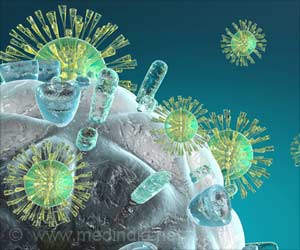
HIV infects T-cells and invades the body's defense mechanisms, which allows the virus to multiply. But when the ITK protein is not active, HIV is unable to use the T cells to reproduce, which slows the spread of the disease.
Advertisement
The protein is also being "investigated as a therapeutic target for asthma and other diseases that affect immune response. In people with asthma, ITK is required to activate T cells, triggering lung inflammation and production of excess mucus," it said.
Source-AFP
SRM/L