Health Effects of Global Warming
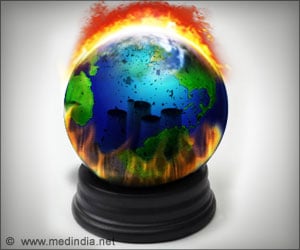
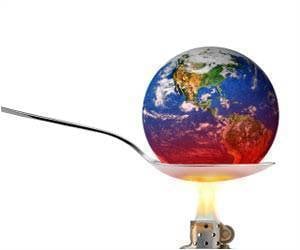
Greenhouse effect causes excessive heat to build up in the earth’s atmosphere causing global warming and affects the environment and health.
Greenhouse effect causes excessive heat to build up in the earth’s atmosphere causing global warming and affects the environment and health.
Climatic change often prompts headlines predicting disastrous events, frequently adopting fear-laden language including analogies with war and warnings of the imminence or irreversibility of pending catastrophes.
Dorries from the University of Strasbourg said that a culture of fear is alive, and doing very well.
Scientists Discover Evidence of Cosmic Climate Change
Scientists say that newly discovered evidence suggests that the universe may have gone through a warming trend early in its history.
Scientists say that newly discovered evidence suggests that the universe may have gone through a warming trend early in its history.
"Recently historians have underlined the necessity to revise the grand Enlightenment narrative of science as antidote to fear.
Advertisement

Indian Scientists Recommend Eggshells as Weaponry Against Climate Change
Indian researchers say that the food industry generates a lot of waste products, but one of these, eggshells, could help combat climate change.
Indian researchers say that the food industry generates a lot of waste products, but one of these, eggshells, could help combat climate change.
The 1960s and 1970s were characterized by an increasing appropriation of the future by science, leading to a rise of fear discourses by scientists themselves.
Advertisement

Changes in Population Growth Affect Climate Change
Global emissions of carbon dioxide would be impacted over the next forty years by changes in population growth and other demographic changes like ageing and urbanization.
Global emissions of carbon dioxide would be impacted over the next forty years by changes in population growth and other demographic changes like ageing and urbanization.
"The current discourse of fear over climate change reflects the attempts to come to grips with the long-term issue of anthropogenic climate change.
"They are appeals for action, they imply claims to power, they stress that the issue is political and cultural, not merely a matter of science and reason alone," concluded Dorries.
The findings were published in WIREs Climate Change.
Source-ANI