
Coronary Artery Bypass Grafting (CABG) | Coronary Artery Bypass Surgery
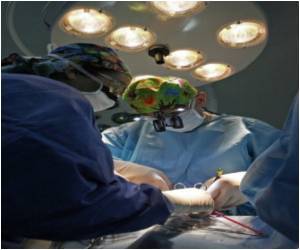
Coronary artery bypass grafting (CABG) or heart bypass surgery is an open heart surgery to relieve the blockages of the arteries of the heart. Coronary artery bypass surgery lasts up to 3 to 6 hours.
Coronary artery bypass grafting (CABG) or heart bypass surgery is an open heart surgery to relieve the blockages of the arteries of the heart. Coronary artery bypass surgery lasts up to 3 to 6 hours.
In a prospective study of children aged 5 to 18 years undergoing repair of less complex congenital heart disease, the researchers compared 35 children undergoing open-heart surgery with 19 non-cardiac surgical patients and 12 non-surgical control patients. The researchers administered an in-depth neurospsychological battery of tests including assessment of intelligence, memory, motor skills, attention, and behavior to all children in the study both before and six months after surgery. The researchers reported no significant differences between the bypass and non-bypass groups, with improvements in post-operative cognitive testing seen across the board.
"Cardiopulmonary bypass has long been implicated as a causative factor in abnormal neurocognitive outcomes after cardiac surgery, said Dr. Quartermain. "However, in this study which controlled for the non-bypass effects of open-heart surgery, there was no significant decrease in neuropsychological status in these children and adolescents six months after surgery."

Heart Attack - Overview
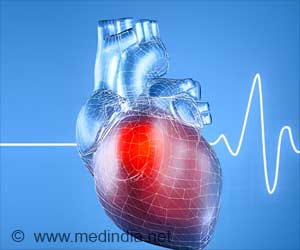
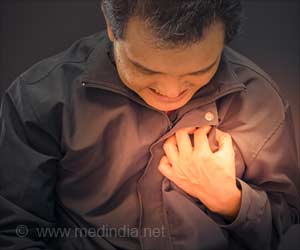
Heart attack is the death of the heart muscle due to loss of blood supply. Heart disease is the leading cause of death in the United States. Other names for heart attack include acute myocardial infarction, coronary thrombosis, and coronary occlusion.
Heart attack is the death of the heart muscle due to loss of blood supply. Heart disease is the leading cause of death in the United States. Other names for heart attack include acute myocardial infarction, coronary thrombosis, and coronary occlusion.
The Children's Hospital of Philadelphia recently launched a unique multidisciplinary, long-term follow-up program to assess congenital heart patients for neurodevelopmental complications, learning disabilities and behavioral concerns, such as ADHD. In the NeuroCardiac Care Program, children and their families are evaluated by a pediatric cardiologist, pediatric neurologist, developmental pediatrician, occupational and physical therapists, a speech and language pathologist, a dietician and social worker – all during one outpatient visit.
Advertisement

Animation on Coronary Artery Bypass Surgery (CABG)
Coronary Artery Bypass Surgery (CABG) is performed to restore the blood supply to areas of heart that have been reduced or has no blood supply due to blockage in the artery.
Coronary Artery Bypass Surgery (CABG) is performed to restore the blood supply to areas of heart that have been reduced or has no blood supply due to blockage in the artery.
Source-Eurekalert

Lowered Cholesterol After Gastric Bypass Surgery
Gastric bypass surgery helps in lowering cholesterol and improving the ratio of total cholesterol to HDL (good) cholesterol, concludes a new study.
Gastric bypass surgery helps in lowering cholesterol and improving the ratio of total cholesterol to HDL (good) cholesterol, concludes a new study.