A novel procedure labeled as global endometrial ablation (GEA), may help alleviate excessive menstrual bleeding according to researchers from Mayo Clinic.
Experts estimate that 20 percent of women experience excessive or prolonged menstrual bleeding at some time during their lives, particularly as they approach menopause.
New Pill to Suppress Menstrual Bleeding Indefinitely
The FDA is to give its nod for a pill that can enable women to suppress their monthly bleeding indefinitely.
The FDA is to give its nod for a pill that can enable women to suppress their monthly bleeding indefinitely.
In a new study, the researchers attempt to determine the percentage of women who do not achieve permanent symptom relief from GEA and identify several factors that put women at greater risk for this outcome.
For decades, hormone pills or hysterectomy, surgical removal of the uterus, were the standard treatments for excessive or prolonged menstrual bleeding.

More Research Needed to Identify Effective Treatments for Uterine Fibroids
A systematic review of the research concerning treatment options for uterine fibroids, which affect most American women over 50.
A systematic review of the research concerning treatment options for uterine fibroids, which affect most American women over 50.
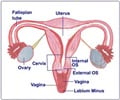
During this procedure, surgeons use an energy source (heat, cold and microwave or radiofrequency energy) to destroy just the uterine lining (endometrium) and leave the uterus intact.
Advertisement

Mirena IUD, Now First Line Treatment for Prolonged Menstrual Bleeding
Mirena IUD has emerged the first line treatment for prolonged menstrual bleeding. Endometrial resection is another.
Mirena IUD has emerged the first line treatment for prolonged menstrual bleeding. Endometrial resection is another.
Compared to hysterectomy, the newest forms of GEA were initially thought to be equally effective with slightly lower complication rates and costs.
Advertisement
"But some physicians have observed that up to 30 percent of patients may require additional treatment five years and beyond after undergoing ablation," Famuyide added.
According to the researchers, identifying risk factors that affect treatment outcomes following GEA is an important advance in this field.
This knowledge can help surgeons determine whether GEA is appropriate for a specific patient and help them provide patients with better guidance when choosing a treatment option, say researchers.
The study is published in the January issue of Obstetrics and Gynecology.
Source-ANI
SAV