The latest electronic edition of the journal Nature Genetics reports the discovery of a new gene responsible for congenital sideroblastic anemia, a rare disease, mainly characterized by the presence of ringed sideroblasts in the patients' bone marrow. This Genome Canada project, co-directed by Dr. Mark Samuels, an investigator with the Sainte-Justine University Hospital Research Center and a professor at the Université de Montréal Department of Medicine, is being conducted under the Atlantic Medical Genetics and Genomics Initiative (AMGGI).
The clinical research team identified three families from Canada's Maritime provinces, each with a child suffering from this disease. Even though these families were not related officially, it seemed very likely that it was possible to establish a genealogical link uniting them generations ago and that they exhibited what is called a founder effect.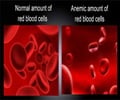
Anemia | Low Hemoglobin (Haemoglobin) Causes Symptoms Diagnosis Treatment FAQs
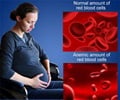
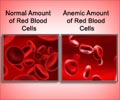
Anemia is a condition in which the red blood cell (RBC) count or hemoglobin is less than normal.
Anemia is a condition in which the red blood cell (RBC) count or hemoglobin is less than normal.
The direct resequencing of this gene made it possible to identify a causal mutation in a gene to which no physiological role could have been attributed. Subsequently, in collaboration with researchers in the United States, the team identified 10 additional causal mutations of this gene in other unexplained cases of congenital sideroblastic anemia. In collaboration with the laboratory of Dr. Louis Saint-Amant of the Université de Montréal's Department of Pathology, the research team showed a direct role of the gene in hemoglobin synthesis in zebra fish.
The gene identified is part of a gene family involved in the transport of nutrients to and from the mitochondria, the power plant of the cells. Some mutations of other members of this gene family cause distinct genetic diseases in humans, but this is the first disease of this type associated with the SLC25A38 gene.

Anemia - Case Presentation
Case Presentation of anemic patient - a 70-year-old woman presented with progressive weakness and fatigue. A chest x-ray was normal, and an electrocardiogram showed only sinus tachycardia.
Case Presentation of anemic patient - a 70-year-old woman presented with progressive weakness and fatigue. A chest x-ray was normal, and an electrocardiogram showed only sinus tachycardia.
Source-Eurekalert
SRM

Anemia Treatment Improves Heart Structure and Quality of Life in Kidney Patients
In chronic kidney disease patients, different levels of anemia treatment have a beneficial effect on the heart and improve quality of life.
In chronic kidney disease patients, different levels of anemia treatment have a beneficial effect on the heart and improve quality of life.
New Discovery May Lead To Targeted Treatment For Rare Form Of Anemia
Researchers have identified the specific biological mechanisms believed to lead to a rare and incurable blood disease known as Diamond Blackfan anemia (DBA).
Researchers have identified the specific biological mechanisms believed to lead to a rare and incurable blood disease known as Diamond Blackfan anemia (DBA).