Swine flu, the first flu pandemic of the 21st century, has been less deadly than feared since it emerged this year but has taken an unusually high toll among the world's young, leaving thousands dead.
The A(H1N1) virus was identified for the first time at the end of March in Mexico and quickly spread, with the World Health Organisation declaring a global pandemic on June 11.
Swine Flu | Swine Influenza | Hog Flu | Pig Flu
Swine flu, a type of influenza caused by a new strain of the H1N1 Type A influenza virus has originated from the pigs. Winter always brings along the chills and the flu, make sure you're safe this season.
Swine flu, a type of influenza caused by a new strain of the H1N1 Type A influenza virus has originated from the pigs. Winter always brings along the chills and the flu, make sure you're safe this season.
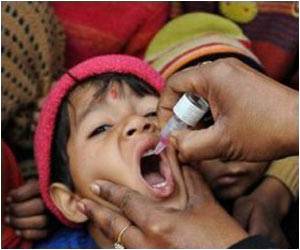
The world was mobilised into action with vaccination and awareness campaigns.
China, for example, had vaccinated more than 31 million people against the virus by early December with the aim of reaching up to 65 million by the end of the year.
Swine Flu Or Pig Flu Facts
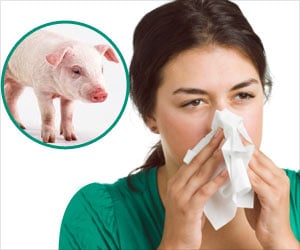
Is the world in the grip of its first influenza pandemic in forty years? It definitely seems so! The current swine flu or pig flu disaster traces its origin to the badly- hit State of Mexico.
Is the world in the grip of its first influenza pandemic in forty years? It definitely seems so! The current swine flu or pig flu disaster traces its origin to the badly- hit State of Mexico.
"This mobilisation has mainly allowed use to put vaccines in place in record time," she said.
Advertisement
Swine Flu Risk Calculator
Find out the risks for contracting swine flu and take the necessary precautionary steps. Swine flu caused a pandemic in 2009 with several deaths reported worldwide.
Find out the risks for contracting swine flu and take the necessary precautionary steps. Swine flu caused a pandemic in 2009 with several deaths reported worldwide.
Two-thirds of Canada's roughly 200 fatal cases this winter had an underlying chronic illness such as asthma, cardiac disease, immunosuppression and diabetes, the world body has said.
Advertisement
The United States' Centres for Disease Control and Prevention estimated the country's death toll at nearly 10,000 by mid-November, higher than the WHO estimate, with 1,100 of the dead children and 7,500 young adults.
There had been around 50 million cases most of them in younger adults and children, it said.
"It is not a slaughter but this pandemic has caused unusual mortality in the young, including those who have been in good health," said a French expert, Professor Antoine Flahaut.
Added Briand: "Unlike in seasonal viruses, the pandemic virus penetrates deep inside the lungs and causes symptoms of respiratory distress more acute in young subjects."
Pregnant women and the obese have been found to be particularly vulnerable to the new virus. People older than 65 appear to have less chance of catching it but if they do, they run more risk of dying.
"Clearly we do not have a case of a virus as deadly as the bird flu one," WHO doctor Isabelle Nuttall told AFP, though the overall death toll is greater.
The ratio of deaths to infections for the present A(H1N1) has been below that of the 2003 outbreak of H5N1 bird flu -- which struck mainly in Asia and killed almost 60 percent of those it infected, the toll reaching more than 260 people, according to WHO figures.
The world was also hit by an outbreak of another deadly virus, SARS or Severe Acute Respiratory Syndrome, in 2002 to 2003 that killed 774 people, WHO figures show.
In Britain, the number of people infected with the current swine flu who died has been "considerably" less than had been feared at the start of the outbreak, at 0.026 percent, according to a study directed government health adviser Liam Donaldson.
It was also much lower than in previous flu outbreaks in 1918 (two to three percent) or in 1957-58 and 1967-68 (about 0.2 percent), according to the study released early December.
This could be explained by the use of antiviral and antibiotic treatments, vaccines, medical progress and resuscitation.
But flu viruses are unpredictable, said Nuttall. "We must remain vigilant and not lower our guard," she said.
Source-AFP
THK