Glaucoma - Causes, Symptoms, Diagnosis, Treatment & Prevention
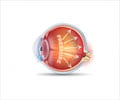
Glaucoma is a group of disorders involving the optic nerve, often associated with a rise in intraocular pressure. Uncontrolled glaucoma can lead to blindness.
Glaucoma is a group of disorders involving the optic nerve, often associated with a rise in intraocular pressure. Uncontrolled glaucoma can lead to blindness.
Balwantray C. Chauhan, Ph.D., of Dalhousie University, Halifax, Nova Scotia, Canada, and colleagues in the Canadian Glaucoma Study Group studied 216 patients with open-angle glaucoma, documenting several demographic, systemic and ocular parameters at the beginning of the study. The patients were all followed up with a standardized protocol for controlling intraocular pressure (targeting a reduction of 30 percent or greater) and then were re-examined every four months. Those who had confirmed progression of glaucoma as assessed by changes in their visual field received an additional 20 percent or greater reduction in intraocular pressure under the treatment protocol.
A total of 153 patients (70.8 percent) did not reach this end point of visual field deterioration during the study, 45 (20.1 percent) had one end point, 16 (7.4 percent) had two end points and two (.9 percent) had three end points. Having an abnormal level of anticardiolipin antibodies and being older were associated with a more rapid rate of visual change, but being female and having a higher follow-up intraocular pressure were not.
Diabetic Retinopathy - Risk Factors - Symptoms - Treatment - Diagnosis - FAQs
The term ‘diabetic retinopathy’ refers to changes in the retina which often occur in people with diabetes.
The term ‘diabetic retinopathy’ refers to changes in the retina which often occur in people with diabetes.
Advertisement

About Conjunctivitis | Pink Eye
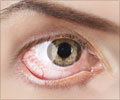
Conjunctivitis or Pink Eye causes redness and soreness of the conjunctiva and is responsible for 1% of all emergency visits to a hospital.
Conjunctivitis or Pink Eye causes redness and soreness of the conjunctiva and is responsible for 1% of all emergency visits to a hospital.

LASIK Eye Surgery
LASIK is a type of laser procedure performed on the eye to correct refractive errors and presbyopia by reshaping the cornea.
LASIK is a type of laser procedure performed on the eye to correct refractive errors and presbyopia by reshaping the cornea.