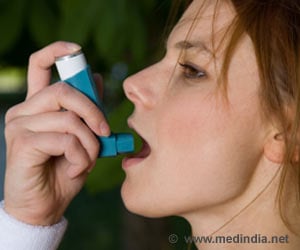
Respiratory Diseases - Diseases of the Human Respiratory System
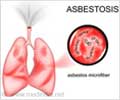
Respiratory diseases affect any part of the respiratory system. Some of the lung diseases like chronic obstructive pulmonary disease can lead to respiratory failure.
Respiratory diseases affect any part of the respiratory system. Some of the lung diseases like chronic obstructive pulmonary disease can lead to respiratory failure.
The researchers found bread bakers had the highest average (geometric mean) exposures. For alpha-amylase allergens, most samples were below the limit of detection for several occupational titles.
Elevated exposure to inhalable dust particulate as well as wheat and rye allergen concentrations were seen in large bakeries, bread baking, and in the use of cereal flours, while tasks such as confectionery work were negatively correlated with these exposure metrics.
Weighing tasks and use of premix products were associated with increased exposure to fungal alpha-amylase. A high correlation between particulate dust and wheat as well as rye was observed, with a much lower correlation between particulate dust and fungal alpha-amylase. Overall, a low proportion (39%) of bakery stores implemented various control measures to reduce dust exposures in the bakeries.
Writing in the Annals of Occupational Hygiene, Mohamed Jeebhay of Centre for Occupational and Environmental Health Research, University of Cape Town and others said, “ This study confirms that current exposure control strategies in supermarket bakery stores are inadequate in reducing dust exposures to protect the health of bakery workers. "
Advertisement

The Lungs
The lungs are our organs of respiration. It is within these, that exchange of gases takes place.
The lungs are our organs of respiration. It is within these, that exchange of gases takes place.
Source-
GPL