Asbestosis - Symptoms - Complications - Treatment - Prevention - FAQs
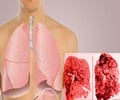
Asbestosis is a chronic inflammatory lung disease that occurs due to long term exposure to asbestos fibres
Asbestosis is a chronic inflammatory lung disease that occurs due to long term exposure to asbestos fibres
“In Australia, the legacy of asbestos remains a problem. In most cases, asbestos is in a non-respirable form and is not a hazard to human health if undisturbed. However, if damaged, it can become friable and change to a respirable form,” Prof Sly said.
“Asbestos will be with us for decades, so targeted and contextually appropriate education programs for at-risk populations are required.

Mesothelioma
Animation on mesothelioma - a form of lung cancer, that explains about the condition, its risk factors, diagnosis and treatment
Animation on mesothelioma - a form of lung cancer, that explains about the condition, its risk factors, diagnosis and treatment
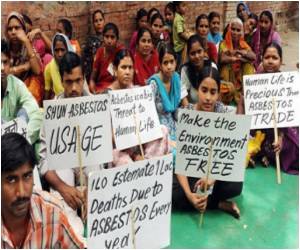
“Developing countries, especially in Asia and Eastern Europe, are mining or importing asbestos for domestic use, and now account for the majority of the world’s exposure to asbestos.
Advertisement
Lung Biopsy - Indications - Procedures - Risks - FAQs - Reference
The procedure by which tissue samples are obtained from the lung is known as lung biopsy. The biopsy tissues obtained from the lungs are examined by a pathologist.
The procedure by which tissue samples are obtained from the lung is known as lung biopsy. The biopsy tissues obtained from the lungs are examined by a pathologist.
The Medical Journal of Australia is a publication of the Australian Medical Association.
Advertisement

The Lungs
The lungs are our organs of respiration. It is within these, that exchange of gases takes place.
The lungs are our organs of respiration. It is within these, that exchange of gases takes place.