A study has revealed the existence of a new experimental drug which, following several tests on lab animals, has proved its mettle in combating two viruses. One of these viruses is closely related to a potential lethal bioterror pathogen.
The drug, bavituximab, takes a novel tack in confronting viruses, which are notorious for mutations that evade or resist conventional pharmaceutical molecules.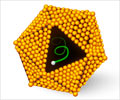
Hepatitis A - Causes, Symptoms, Diagnosis, Treatment
Hepatitis A is the most benign of the hepatitis viruses and usually has no long term side effects. Hepatitis A vaccine is available that is 95% effective in preventing the disease.
Hepatitis A is the most benign of the hepatitis viruses and usually has no long term side effects. Hepatitis A vaccine is available that is 95% effective in preventing the disease.
At that point, a fatty molecule called phosphatidylserine, which is normally positioned on the cell wall's internal surface, flips to the outside of the cell.
Bavituximab then latches onto the phosphatidylserine, sending a red flag to the body's immune system to dispatch white blood cells to destroy the infected cell.
About Mosquito Diseases
Mosquito-borne diseases, like malaria, filaria, dengue, etc are common in places conducive of mosquito breeding. Swamps, ponds and stagnated drainage provide optimal breeding ground for mosquitoes.
Mosquito-borne diseases, like malaria, filaria, dengue, etc are common in places conducive of mosquito breeding. Swamps, ponds and stagnated drainage provide optimal breeding ground for mosquitoes.
Animals that had not been inoculated with bavituximab were succumbed to the virus; those who had received the injection had a 50-percent survival rate. By giving the bavituximab group an additional injection with a standard anti-virus drug called ribavirin, the survival rate rose to 63 percent.
Advertisement

New Strain of Deadly Ebola Virus Discovered
Scientists said Friday an outbreak of Ebola that killed 37 people in Uganda last year was sparked by a hitherto unknown species of one of the world's most notorious viruses.
Scientists said Friday an outbreak of Ebola that killed 37 people in Uganda last year was sparked by a hitherto unknown species of one of the world's most notorious viruses.
Co-author Philip Thorpe, a professor of pharmacology at UT Southwestern Medical Center in Texas, said the findings were exciting, for they raised the prospect of a "completely new class" of anti-viral drugs that may also sidestep the problem of mutation.
Advertisement

Super-oxidised Water Found Effective Against MRSA
Oculus, a Californian firm has claimed to have developed super-oxidised water, which speeds up healing of a wound.
Oculus, a Californian firm has claimed to have developed super-oxidised water, which speeds up healing of a wound.
"They should be less susceptible to the viral mutations that contribute to the development of drug resistance."
Bavituximab, a monoclonal antibody, is currently in clinical trials by Peregrine Pharmaceuticals Inc. of California to treat patients with hepatitis C.
Previous research has shown that phosphatidylserine-flipping occurs in cells infected with influenza, the herpes simplex virus, viruses in the families of the smallpox and rabies viruses as well as HIV, UT Southwestern Medical Center said.
Source-AFP
TAN/M