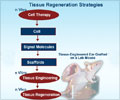
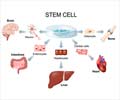
French doctors on Friday said they had used human embryonic stem cells to grow skin that one day may be used as potentially life-saving temporary patches for patients suffering bad burns.
The laboratory achievement has been tested on mice and not yet on human volunteers, but the researchers believe it could be a boon for surgeons striving to save patients awaiting skin grafts.
But this process takes around three weeks, and dehydration and infection for the patient can be fatal.
Two other interim possibilities to cover the wounds are "decellularised" skin from cadavers, but this source is rare, and biosynthetic substitutes that include bovine collagen. Both carry the risk of rejection by the patient's immune system.

Burns
Burn injuries have reached epidemic proportions in recent years. Burn accident statistics show that at least 50% of all burn accidents can be prevented.
Burn injuries have reached epidemic proportions in recent years. Burn accident statistics show that at least 50% of all burn accidents can be prevented.
In the experiments, a team led by Christine Baldeschi of France's Institute for Stem Cell Therapy and Exploration of Monogenic Diseases seeded embryonic stem cells onto so-called feeder cells.
Advertisement
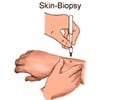
Skin Biopsy-Procedure-Punch-Shave-Incisional-FAQ-Video
Encyclopedia section of medindia gives general information about skin biopsy.
Encyclopedia section of medindia gives general information about skin biopsy.
The keratinocyte-like cells were then grafted onto five lab mice, which 12 weeks later developed a healthy skin.
Advertisement
"Overall, we have a timeframe (for clinical trials) of the end of 2011, although this date is conditional upon a number of factors that could intervene at any moment," he said.
Embryonic stem cells are taken from early-stage embryos that are few days old, and then are allowed to reproduce in stem-cell "lines."
They are the most versatile of premature cells, but their use has stirred an ethics debate, especially in the United States, where some Christian religious groups say the technique amounts to murder.
Source-AFP
SRM