Tuberculosis - Spread - Symptoms - Diagnosis - Treatment - FAQs
Tuberculosis, caused by Mycobacterium tuberculosis, primarily affects the lung. It may spread to other organs.
Tuberculosis, caused by Mycobacterium tuberculosis, primarily affects the lung. It may spread to other organs.
Dr. Lienhardt and colleagues conducted a multicenter randomized controlled trial to evaluate the efficacy and safety of a 4-drug FDC for the treatment of tuberculosis. The study was conducted at 11 sites in Africa, Asia, and Latin America between 2003 and 2008 and included 1,585 adult patients with newly diagnosed smear-positive pulmonary tuberculosis. Patients were randomized to receive daily treatment with 4 drugs (rifampicin, isoniazid, pyrazinamide, ethambutol) given as an FDC (n = 798 patients) or separately (n = 787) in the 8-week intensive phase of treatment. A favorable treatment outcome was defined as a negative culture result at 18 months post randomization and not having already been classified as unfavorable. The FDC was assessed for noninferiority (no worse than the separate drug regimen) via several measures.
The researchers found that, in the per-protocol analysis 18 months after the start of treatment, 555 of 591 patients (93.9 percent) in the FDC group vs. 548 of 579 (94.6 percent) in the separate-drugs group had a favorable outcome. In two different models of a modified intention to treat analysis, the researchers found that 570 of 684 patients (83.3 percent) in the FDC group had a favorable outcome, compared with 563 of 664 (84.8 percent) in the separate-drugs group; and 591 of 658 assessable patients (89.8 percent) in the FDC group had a favorable outcome, compared with 589 of 647 (91.0 percent) in the separate-drugs group, respectively.
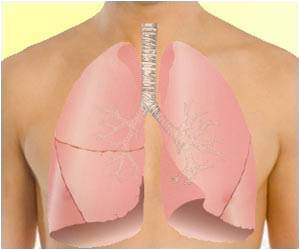
Tuberculosis Linked to Marijuana
Tuberculosis has been revealed to have a strong connection with smoking of marijuana waterpipes or as they are known, bongs by doctors in Australia.
Tuberculosis has been revealed to have a strong connection with smoking of marijuana waterpipes or as they are known, bongs by doctors in Australia.
"FDCs are a full part of the recently revised World Health Organization treatment guidelines. The uptake of FDCs in tuberculosis control programs globally is gaining momentum, but challenges remain," the authors write. "The uptake and acceptance of FDCs is primarily affected by doubts about the efficacy of FDCs, questions of access and quality, advantages over other formulations or packaging, lack of political will at the country level, and the conflicting policies of funders."
Advertisement

National Tuberculosis Control Program (NTCP) is All Set to be Revised
For the past 3 consecutive years, the Government has been successful in achieving the global objectives of 70% new case detection and 85% treatment success rate and so NTCP will be revised.
For the past 3 consecutive years, the Government has been successful in achieving the global objectives of 70% new case detection and 85% treatment success rate and so NTCP will be revised.
Advertisement

US Misses Goal to Eradicate Tuberculosis by 2010
The United States last year saw a sizable drop in the number of tuberculosis cases, but missed its goal of eradicating the disease by 2010, US health officials said Thursday.
The United States last year saw a sizable drop in the number of tuberculosis cases, but missed its goal of eradicating the disease by 2010, US health officials said Thursday.