Good Fat in Dairy Products Linked to Reduced Diabetes Risk
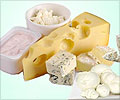
A type of fatty acid called trans-palmitoleic acid may reduce the risk of type 2 diabetes, according to researchers at the Harvard School of Public Health.
A type of fatty acid called trans-palmitoleic acid may reduce the risk of type 2 diabetes, according to researchers at the Harvard School of Public Health.
According to the experts, current evidence only suggests that substitution of SFA by polyunsaturated fatty acids (PUFAs), but not carbohydrates, results in a lowering of total and LDL cholesterol.
"However, even this conclusion isn't the last word, as there is growing recognition that individual fatty acids within the PUFA category have different physiologic effects," said Cindy Schweitzer of the Global Dairy Platform, referring to a recent analysis published in the British Journal of Nutrition.
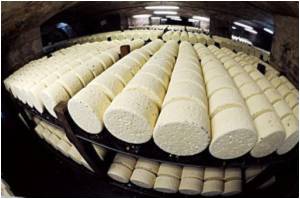
Full-Fat Dairy Products Cut Death Risk Linked to Heart Disease, Stroke
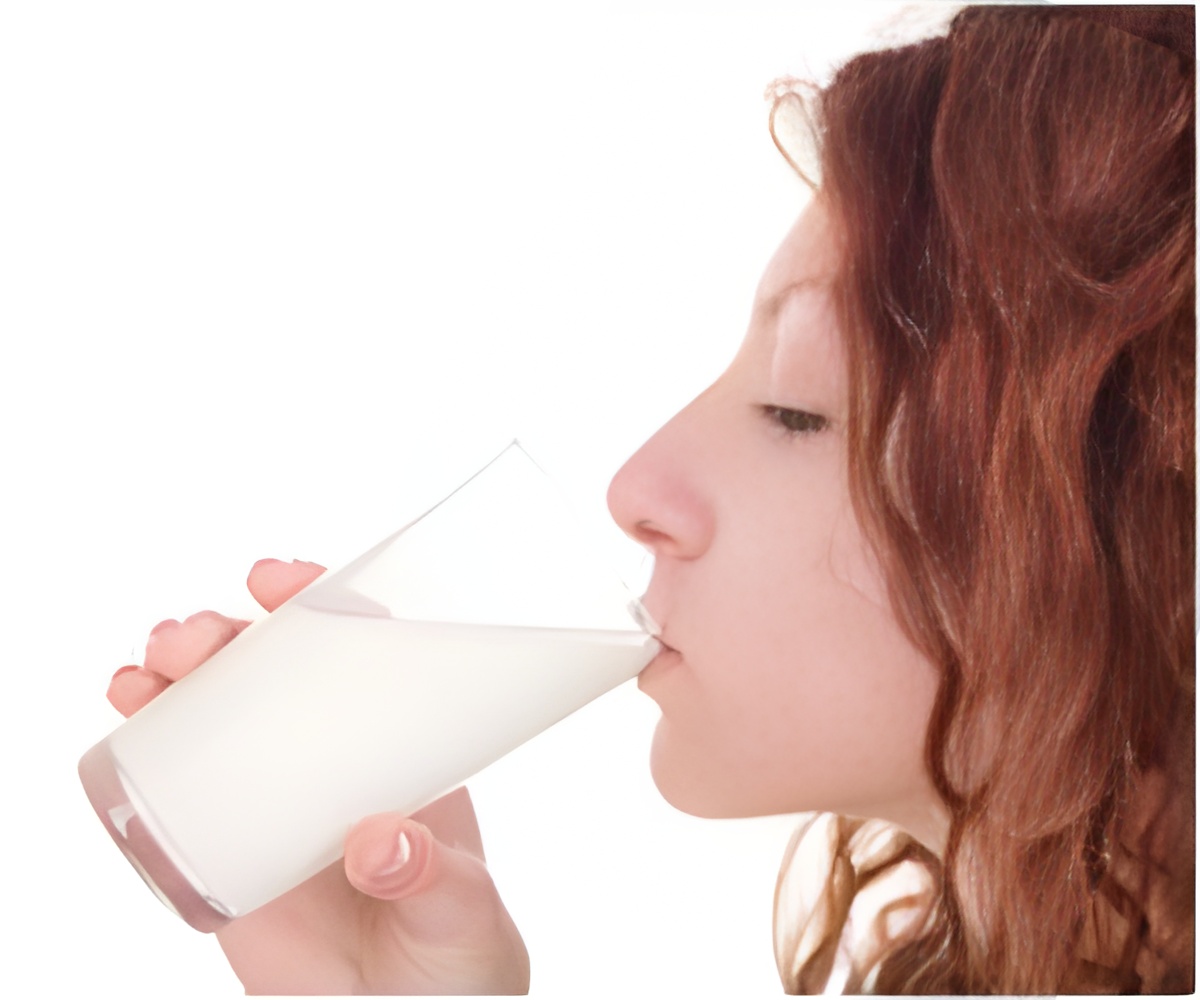
If you love dairy products, it's time for you to rejoice - a new study claims that not only they are harmless, they may even cut down risk of cardiovascular-related death.
If you love dairy products, it's time for you to rejoice - a new study claims that not only they are harmless, they may even cut down risk of cardiovascular-related death.
The findings have been published in the American Journal of Clinical Nutrition.
Advertisement
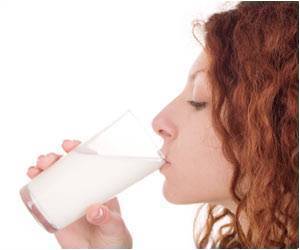
Diabetes Risk may be Cut by Component in Common Dairy Foods
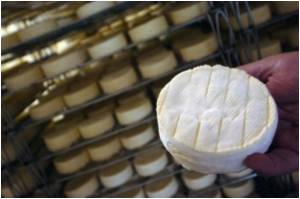
A natural substance in dairy fat that may substantially reduce the risk of type 2 diabetes has been identified by scientists at the Harvard School of Public Health
A natural substance in dairy fat that may substantially reduce the risk of type 2 diabetes has been identified by scientists at the Harvard School of Public Health
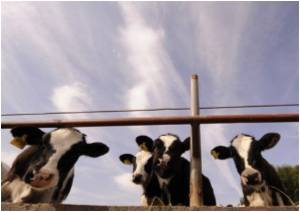
A Robot to Milk the Cow: World's First Robotic Rotary Dairy Replaces The Farmer
Leaving the bed at the crack of dawn could soon become a thing of the past for Oz dairy farmers-thanks to a new robotic rotary dairy that does the job of a farmer.
Leaving the bed at the crack of dawn could soon become a thing of the past for Oz dairy farmers-thanks to a new robotic rotary dairy that does the job of a farmer.