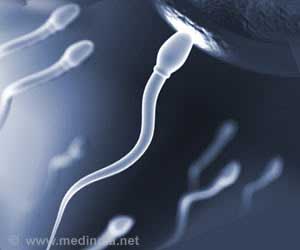
Men who have a daily consumption of half a serving of soy food on average may have lower sperm concentrations than men who do not eat soy foods, says a new research.
The same effect was found to be much more pronounced in men who were overweight or obese.
Soy or Soya - A Holy Food
Soy or Soya is a crop which has been cultivated from thousands of years. It belongs to the family of legumes.
Soy or Soya is a crop which has been cultivated from thousands of years. It belongs to the family of legumes.
The researchers found that men who ate the most soy food had 41 million sperm per millilitre less than men who did not consume soy products. (The "normal" sperm concentration for men ranges between 80-120 million/ml).
Soy beans and soy-derived products mainly contain Isoflavones (daidzein, genistein and glycitein), which are plant-derived compounds with oestrogenic effects. The high consumption of isoflavones has been linked with infertility in animals, but so far there has been little evidence of their effect in humans.

Journey of the Male Sperm
Interactive section of Medindia explains the journey of the sperm from testis to the outside world.
Interactive section of Medindia explains the journey of the sperm from testis to the outside world.
According to their intake of soy foods and isoflavones, the men were divided into four groups. After adjusting for factors such as age, abstinence time, body mass index (BMI), alcohol and caffeine intake and smoking, it was found that men in the highest intake category had, on average, 41 million sperm/ml less than men who did not eat soy foods.

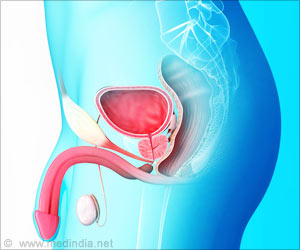
Male Reproductive System
Interactive section of Medindia gives explanation about Male Reproductive System function
Interactive section of Medindia gives explanation about Male Reproductive System function
Evidence was also found that the association between soy food intake and sperm concentrations were stronger in men who were overweight or obese (and 72pct of them were). They also found the relationship between soy foods and sperm concentration was strongest in men with the higher sperm concentrations.

Polluted Air Can Mutate Sperms
Scientists at Johns Hopkins University in Baltimore, Maryland, have discovered that air pollution can cause DNA mutations in sperm.
Scientists at Johns Hopkins University in Baltimore, Maryland, have discovered that air pollution can cause DNA mutations in sperm.
Chavarro speculated that increased oestrogenic activity may have an adverse effect on the production of sperm by interfering with other hormonal signals. This effect could be strengthened further in overweight and obese men because men with high levels of body fat produce more oestrogen than slimmer men, leading to high overall levels of oestrogen in the body and reproductive organs.
The study was published online in Europe's leading reproductive medicine journal, Human Reproduction.
Source-ANI
SRM