
Chinese Green Tea - Health Benefits - Harmful Effects - FAQs
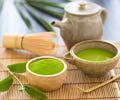
Green tea is the least processed variant of tea. Tea is a beverage made from the processed leaves of Camellia sinensis (Family- Theaceae).
Green tea is the least processed variant of tea. Tea is a beverage made from the processed leaves of Camellia sinensis (Family- Theaceae).
Though pharmaceutical drugs are available that perform similar roles and have been the subject of much research, they have problems with toxicity. A natural food product might provide a long-term, sustainable way to accomplish this same goal without toxicity, said the researchers.
"This appears to be a natural, plant-derived compound that can affect the number of regulatory T cells, and in the process improve immune function," said Emily Ho, an LPI principal investigator and associate professor in the OSU Department of Nutrition and Exercise Sciences.

Autoimmune Disorders - Types - Symptoms - Signs - Diagnosis - Treatment
Autoimmune disorders occur when the immune system fails to recognize the body as ‘self’ and attacks it.
Autoimmune disorders occur when the immune system fails to recognize the body as ‘self’ and attacks it.
In this study, OSU scientists did experiments with a compound in green tea, a polyphenol called EGCG, which is believed to be responsible for much of its health benefits and has both anti-inflammatory and anti-cancer characteristics.
Advertisement

Multiple sclerosis - Symptoms - Causes - Diagnosis - Treatment
Multiple sclerosis can be a severely disabling autoimmune disease that affects the myelin or insulating layer of the nerve fibers and typically has remissions and relapses
Multiple sclerosis can be a severely disabling autoimmune disease that affects the myelin or insulating layer of the nerve fibers and typically has remissions and relapses
"EGCG may have health benefits through an epigenetic mechanism, meaning we aren't changing the underlying DNA codes, but just influencing what gets expressed, what cells get turned on," Ho said. "And we may be able to do this with a simple, whole-food approach."
Advertisement

Ways To Boost Your Immune System
Do you feel stressed all the time? If yes, beware, for your immune system could be going downhill!
Do you feel stressed all the time? If yes, beware, for your immune system could be going downhill!
Source-ANI