A collaborative study has found that a natural compound from magnolia cones has the ability to block an elusive pathway for cancer growth. This compound is found in Japanese and Chinese herbs.
Dr. Jack Arbiser of Emory University School of Medicine joined forces with Dr. David Foster of Hunter College of the City University of New York to study how the compound honokiol works.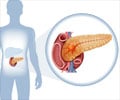
Pancreatic Cancer - All About the Disease, its Diagnosis and Management
Pancreatic cancer often involves its exocrine part. It grows aggressively, and often detected late. Treatment options include surgery, radiation and chemotherapy.
Pancreatic cancer often involves its exocrine part. It grows aggressively, and often detected late. Treatment options include surgery, radiation and chemotherapy.
A research article in the journal Clinical Cancer Research says that Ras refers to a family of genes whose mutation stimulates the growth of several types of cancers.
It further states that the Ras family, though mutated in around a third of human cancers, is considered by medicinal chemists to be an intractable target.

"Honokiol could be effective as a way to make tumors more sensitive to traditional chemotherapy," Arbiser says.
Advertisement
Oral Cancer | Mouth Cancer - Types, Causes, Symptoms, Diagnosis, Treatment & Prevention
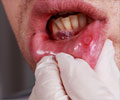
Oral cancer is a cancer that develops in any part of the mouth. It is more common in men over 40.
Oral cancer is a cancer that develops in any part of the mouth. It is more common in men over 40.
They have found that, in breast cancer cell lines, honoliol may prevent Ras from turning on an enzyme called phospholipase D, which allows cancer cells to stay alive when ordinary cells would die.
Advertisement

Liver Cancer
Liver is the largest organ inside the human body. It performs 500 different functions and processes 720 liters of blood per day. The important functions of the liver, the development of liver cancer and it’s symptoms are presented in this interactive.
Liver is the largest organ inside the human body. It performs 500 different functions and processes 720 liters of blood per day. The important functions of the liver, the development of liver cancer and it’s symptoms are presented in this interactive.
Emory University is in the process of licensing honokiol and related compounds so that they can be tested in people in co-operation with industry partners.
Source-ANI
RAS/N