
Pulmonary Embolism
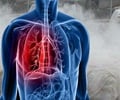
Pulmonary embolism (PE) is a complication that results from a block in the main artery supplying the lungs
Pulmonary embolism (PE) is a complication that results from a block in the main artery supplying the lungs
According to the researchers, CTPA has a downside: the detection of emboli that are so small as to be clinically insignificant that will never cause symptoms or death. "Over-diagnosis matters because it can lead to iatrogenic harm. While a clinically insignificant PE is by definition not harmful, treating such an embolism can cause harm such as bleeding from anticoagulation, which can in the worst case, be fatal," explained lead author Renda Soylemez Wiener, MD, MPH, an assistant professor of medicine at BUSM.
The researchers believe as the use of CT scans continues to rise the problem of over-diagnosis and overtreatment of PEs will likely continue to grow. "Because the harm of treatment can be substantial, including in the worst case death, it is imperative that we do not turn the problem of under-diagnosis into one of over-diagnosis. The researchers feel it is time to strengthen the evidence base: a trial randomizing stable patients with small emboli to observation vs. anticoagulation to help determine whether all patients with PE require treatment. "Better technology allows us to diagnose more emboli, but to minimize harms of over-diagnosis we must learn which ones matter," added Soylemez Wiener.
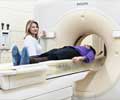
Computed Tomography Scan (CT Scan)
Computed Tomography (CT) scan is a type of medical examination that uses X-rays and computer processing to create sectional images of the body to provide more efficient results than X-rays.
Computed Tomography (CT) scan is a type of medical examination that uses X-rays and computer processing to create sectional images of the body to provide more efficient results than X-rays.

The Lungs
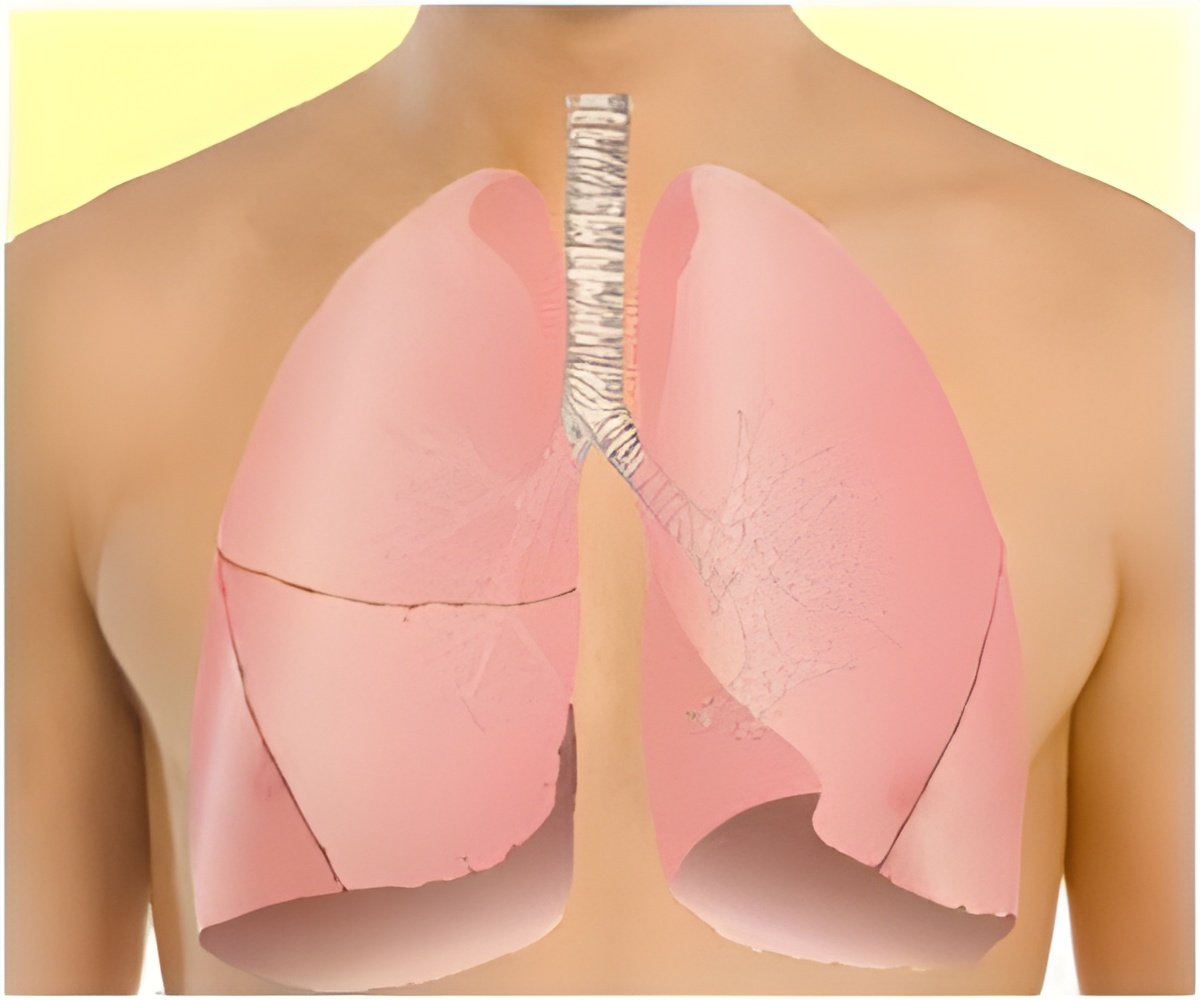
The lungs are our organs of respiration. It is within these, that exchange of gases takes place.
The lungs are our organs of respiration. It is within these, that exchange of gases takes place.
Pulmonary Embolism Higher Among Blacks In US
Pulmonary embolism is higher among Blacks in US, a new study shows.
Pulmonary embolism is higher among Blacks in US, a new study shows.