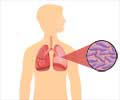
Tuberculosis - Spread - Symptoms - Diagnosis - Treatment - FAQs
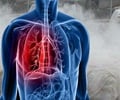
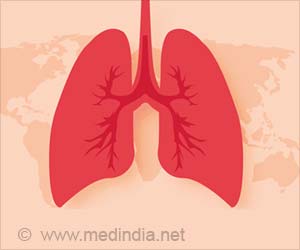
Tuberculosis, caused by Mycobacterium tuberculosis, primarily affects the lung. It may spread to other organs.
Tuberculosis, caused by Mycobacterium tuberculosis, primarily affects the lung. It may spread to other organs.
"Early, rapid and accurate detection of TB, including identification of drug-resistant strains, is critical to effectively treating the disease, reducing secondary resistance, stopping further transmission and saving lives," said Giorgio Roscigno, chief executive officer of the Foundation for Innovative New Diagnostics (FIND), one of the funders of the research.
The milestone, he said, can "help save the millions of lives needlessly lost to TB every year."

Genomic Marker may Help Identify Patients Who Carry Risk of Tuberculosis
It may soon be possible to identify patients who would develop tuberculosis as scientists are now able to spot changes in the blood specific to the disease.
It may soon be possible to identify patients who would develop tuberculosis as scientists are now able to spot changes in the blood specific to the disease.
Of 1,730 patients suspected to have drug resistant TB, the test was able to correctly identify 98 percent.
Advertisement
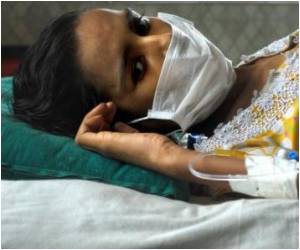
Joint Effort from Public and Private Health Sector Urged to Fight Tuberculosis
In Asia, partnerships between public and private healthcare providers are especially relevant in the fight against tuberculosis (TB).
In Asia, partnerships between public and private healthcare providers are especially relevant in the fight against tuberculosis (TB).
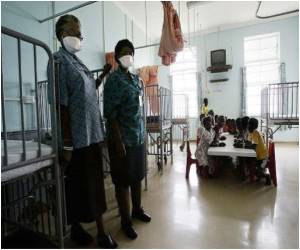
Experts say a speedy diagnosis of TB, particularly the drug-resistant variant, is especially vital in sub-Saharan Africa and Southeast Asia because of the close connection between HIV and TB.
Advertisement

New Tuberculosis (TB) Vaccine Expected to be Ready by 2020
A new TB vaccine could be ready by 2020.The current tools are not enough to control tuberculosis epidemic. The 2009 World Health Organization (WHO) Global Tuberculosis Control Report says that the incidence of TB per capita continues to go down since 2004
A new TB vaccine could be ready by 2020.The current tools are not enough to control tuberculosis epidemic. The 2009 World Health Organization (WHO) Global Tuberculosis Control Report says that the incidence of TB per capita continues to go down since 2004
The study's authors said that undetected and untreated, 90 percent of these patients die within months of first contracting tuberculosis, underscoring the need for quick detection and treatment.
TB remains one of the major causes of disability and death worldwide, with an estimated 1.8 million deaths in 2008 and an increasing incidence of drug-resistant disease.
Source-AFP