
Congenital Heart Disease – Septal Defects
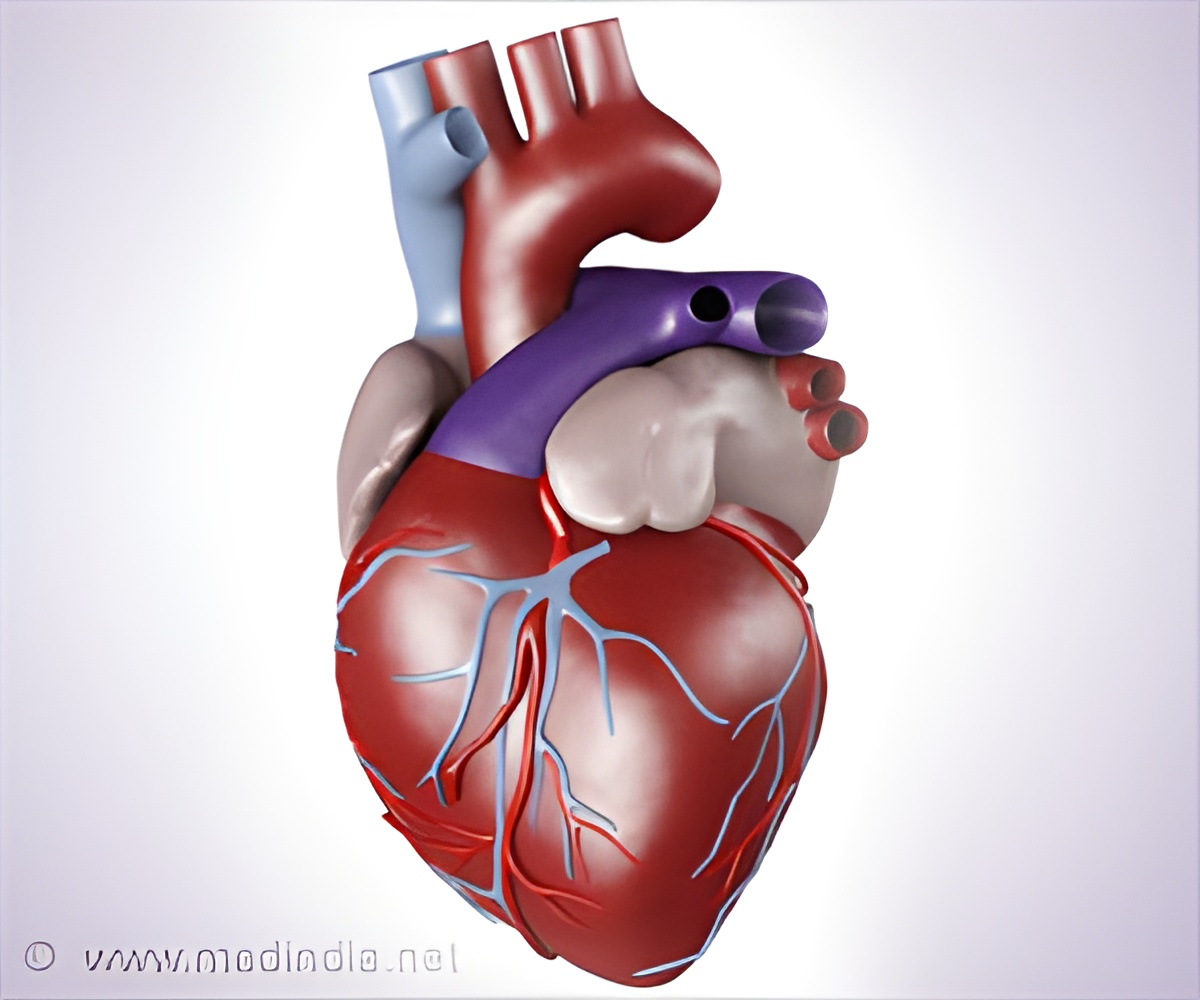
Heart diseases that are present at birth are called “ Congenital heart diseases”.
Heart diseases that are present at birth are called “ Congenital heart diseases”.
Research has shown that neonates undergoing the Norwood surgery for hypoplastic left heart syndrome (HLHS) have the highest risk for NEC of all congenital heart disease patients.
The hybrid approach has been developed at Nationwide Children's as an alternative strategy to the Norwood procedure for the management of HLHS and other forms of complex congenital heart disease. The hybrid approach shifts the risk of major open heart surgery and cardiopulmonary bypass to later in infancy. The incidence of NEC in patients undergoing the hybrid procedure has not been evaluated.

Patent Ductus Arteriosus
Patent Ductus Arteriosus is a congenital defect of the heart where the fetal passage between pulmonary artery and aorta remains open and causes excess pulmonary blood flow.
Patent Ductus Arteriosus is a congenital defect of the heart where the fetal passage between pulmonary artery and aorta remains open and causes excess pulmonary blood flow.
In the study, Dr. Luce and colleagues from The Heart Center at Nationwide Children's Hospital evaluated charts of 73 patients who underwent hybrid stage I procedure for the treatment of complex congenital heart disease at Nationwide Children's during a six-year period. Of these 73 patients, 11 percent developed moderate to severe NEC post-operatively, an average of eight days after surgery.
Advertisement

Patent Ductus Arteriosus (PDA)
Animation and slides of ‘Patent Ductus Arteriosus (PDA)’ illustrating the dynamics & treatment of the abnormal shunting of blood between pulmonary artery and aorta.
Animation and slides of ‘Patent Ductus Arteriosus (PDA)’ illustrating the dynamics & treatment of the abnormal shunting of blood between pulmonary artery and aorta.
"Our early and aggressive treatment of neonates with symptoms of NEC in this high risk population appears to be warranted and may contribute to the relatively low need for abdominal surgery in this patient population," said Dr. Luce.
Advertisement

Atrial Septal Defect or ASD
Animation and slides of ‘Atrial septal defect (ASD)’ illustrating the dynamics and treatment of the abnormal hole in septal wall of upper chambers of the heart.
Animation and slides of ‘Atrial septal defect (ASD)’ illustrating the dynamics and treatment of the abnormal hole in septal wall of upper chambers of the heart.
Dr. Luce says that although the study's findings can't be immediately generalized to other patients with congenital heart disease, the data reinforces the belief that clinicians should continue to be watchful for NEC in neonates undergoing surgery for congenital heart disease. Also, multidisciplinary approaches to feeding regimens in these high-risk patients are needed to improve outcomes and quality of life.
Source-Eurekalert
TAN