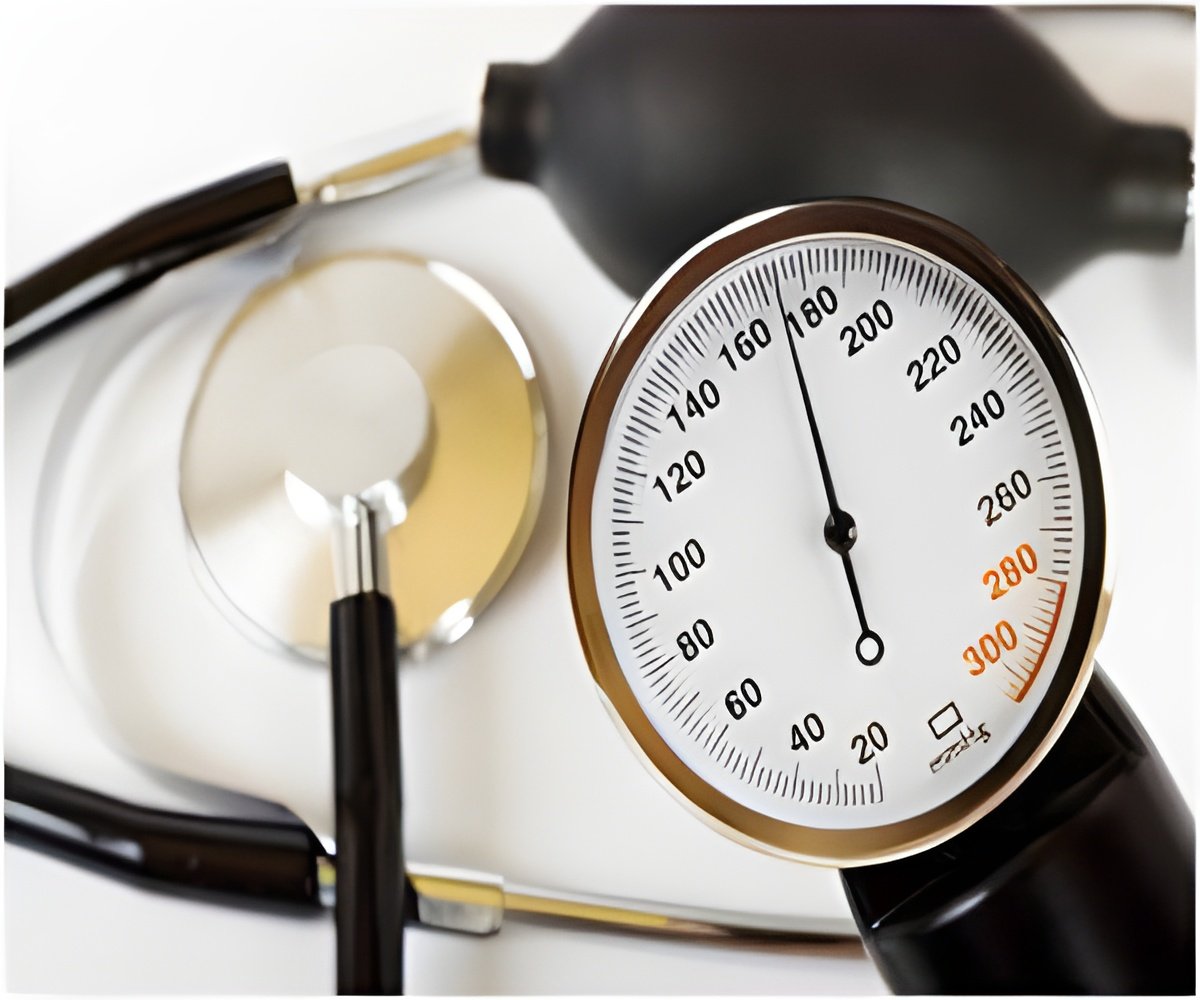

High Blood Pressure
High blood pressure or hypertension is defined as a blood pressure of above 140 mm Hg (systolic) and or 90mm Hg (diastolic).
High blood pressure or hypertension is defined as a blood pressure of above 140 mm Hg (systolic) and or 90mm Hg (diastolic).
"Throughout the day, vasopressin, a peptide hormone produced by the hypothalamus, is released into the circulation from the pituitary gland and plays a vital role as the flood-gate keeper to prevent excessive loss of water from the kidneys.
"Under most conditions, the water-retaining action of vasopressin is vital for survival. However, it has remained essentially a black box as to why, in susceptible individuals, the regulatory mechanisms that control vasopressin secretion cannot turn off when the body already has elevated water content," said Kapusta.

High Blood Pressure and Herbs
Drug intervention need not be the only option to help lower your moderately high blood pressure. Lifestyle changes along with herb remedies such as garlic, arjuna, sarpagandha, and olive can serve the purpose.
Drug intervention need not be the only option to help lower your moderately high blood pressure. Lifestyle changes along with herb remedies such as garlic, arjuna, sarpagandha, and olive can serve the purpose.
Then they measured how the treatments influenced the animal's ability to excrete water and how the salt stress altered levels of vasopressin, Gaq and Gaz.
Advertisement
Blood Pressure Chart
Blood pressure is the pressure of the blood flowing through your blood vessels against the vessel walls. Just by entering you age, you can get the accurate range of blood pressure value.
Blood pressure is the pressure of the blood flowing through your blood vessels against the vessel walls. Just by entering you age, you can get the accurate range of blood pressure value.
In salt-sensitive rats, the team demonstrated that reducing brain Gaq proteins returned plasma vasopressin to normal levels, decreased salt-induced water retention, and restored the animal's ability to excrete water.
Advertisement

Binge Drinking Elevates Death Risk in People With Hypertension
If you have high blood pressure, binge drinking may severely increase your risk of dying from a stroke or heart disease.
If you have high blood pressure, binge drinking may severely increase your risk of dying from a stroke or heart disease.
The research was published in the journal Endocrinology.
Source-ANI